 Track your Order





Description
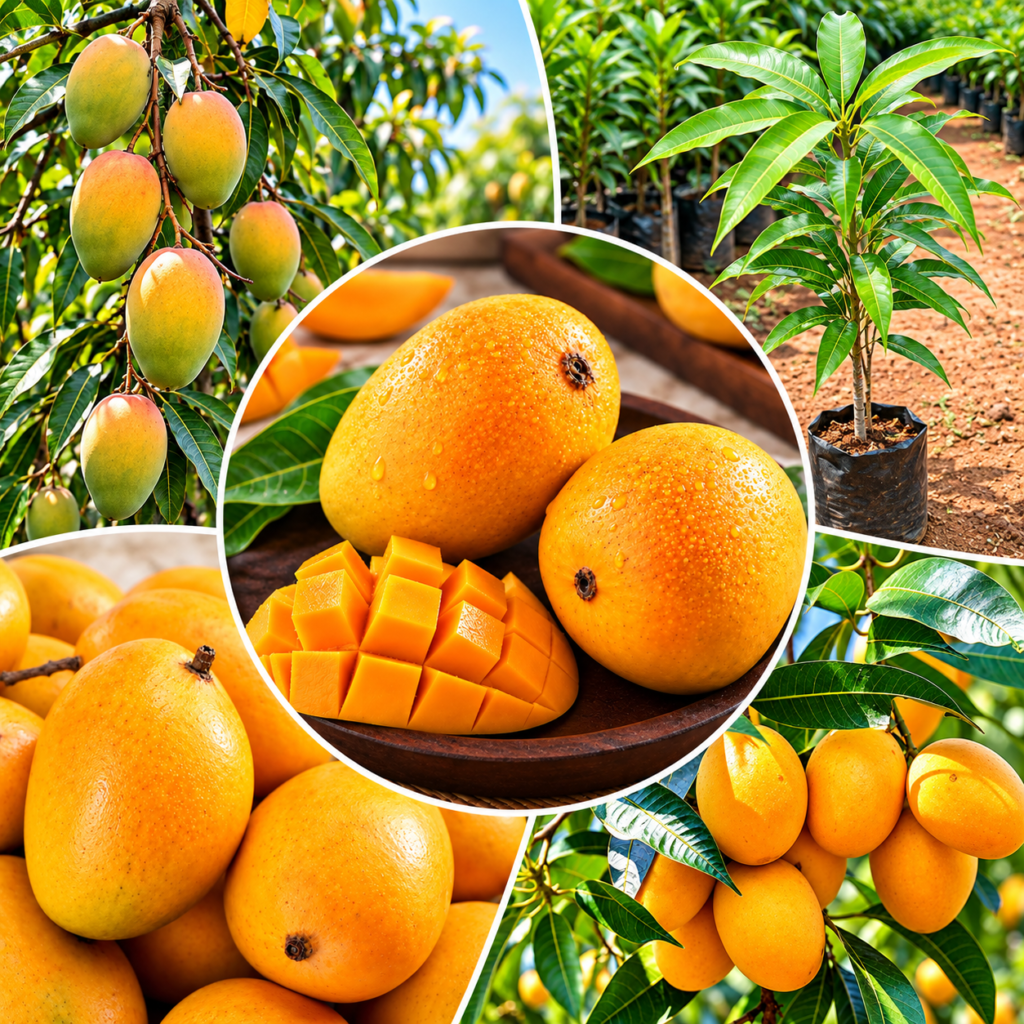
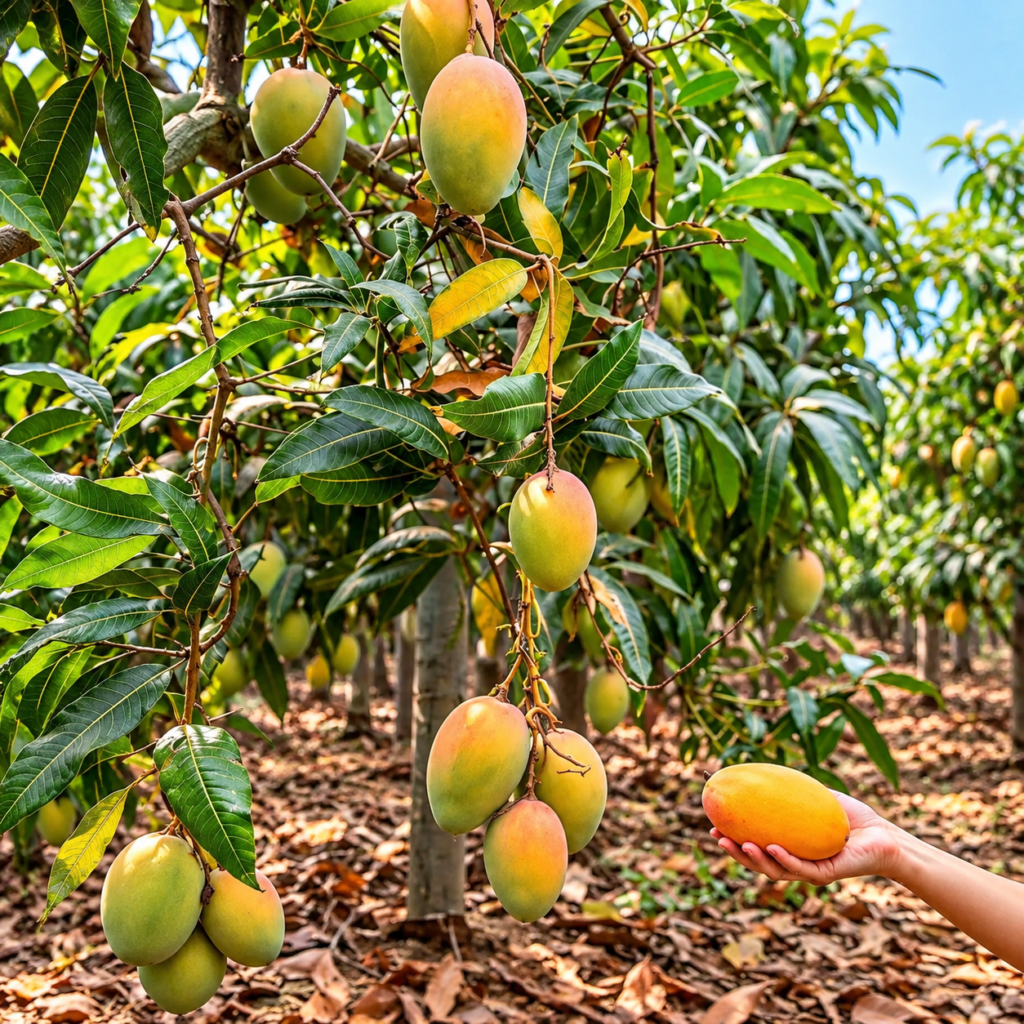
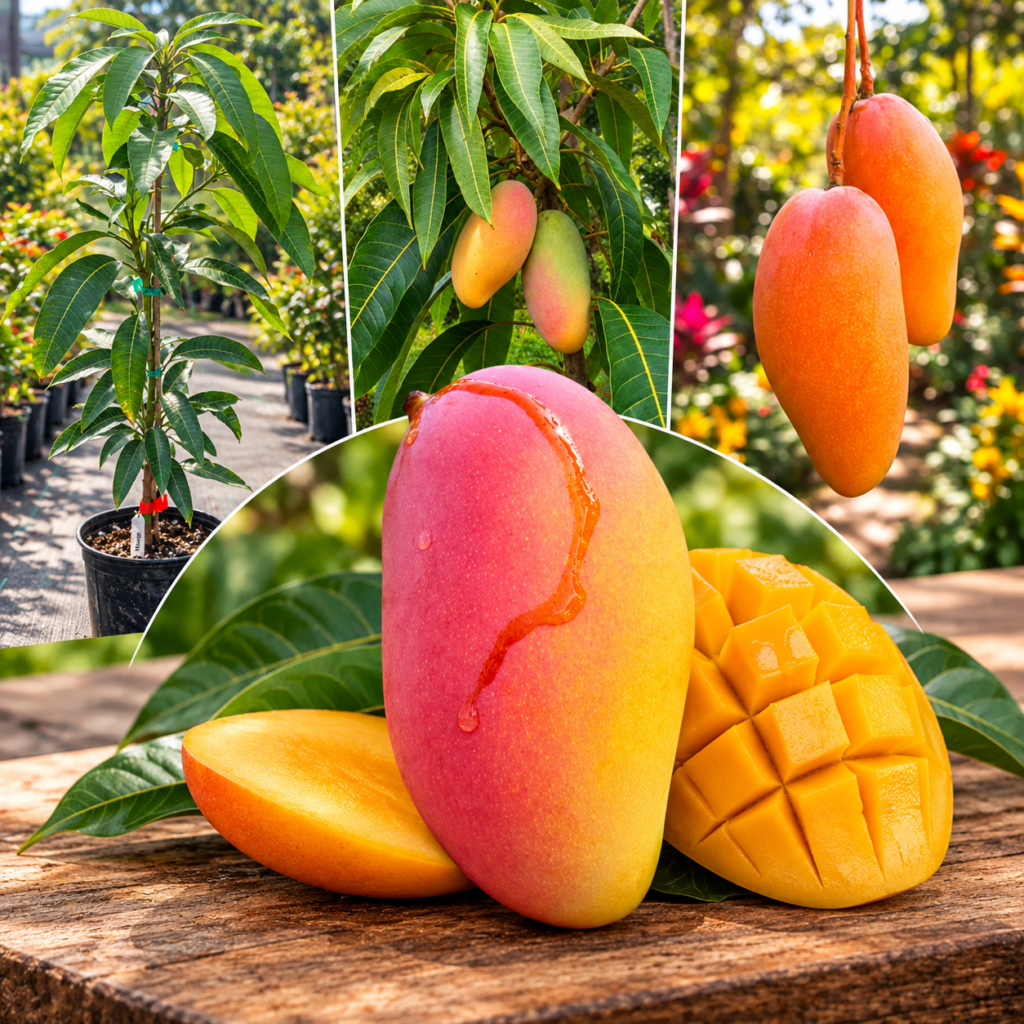
The alphonso mango plant, affectionately known as the Hapus, represents the pinnacle of tropical fruit gardening. Originating from the Konkan coast of India, this cultivar is globally renowned for its unparalleled sweetness, rich flavor complexity, and buttery, fiber-free texture. While traditional, seed-grown mango trees can take up to a decade to produce fruit, our authentic, grafted alphonso mango plant circumvents this long juvenile phase, rewarding you with clusters of golden mangoes in just 1 to 2 seasons.
Whether you are establishing a backyard fruit orchard or curating an urban terrace garden with large planters, the alphonso mango plant delivers exceptional agricultural value and sensory delight.
Why Plant a Grafted Alphonso Mango Plant?
Cultivating the “King of Mangoes” offers an unmatched horticultural experience. Adding this elite cultivar to your home garden provides several distinct advantages:
Unrivaled Flavor Profile: The fruit is famous for its rich, creamy, tender flesh and a delicate, non-stringy texture that melts in the mouth.
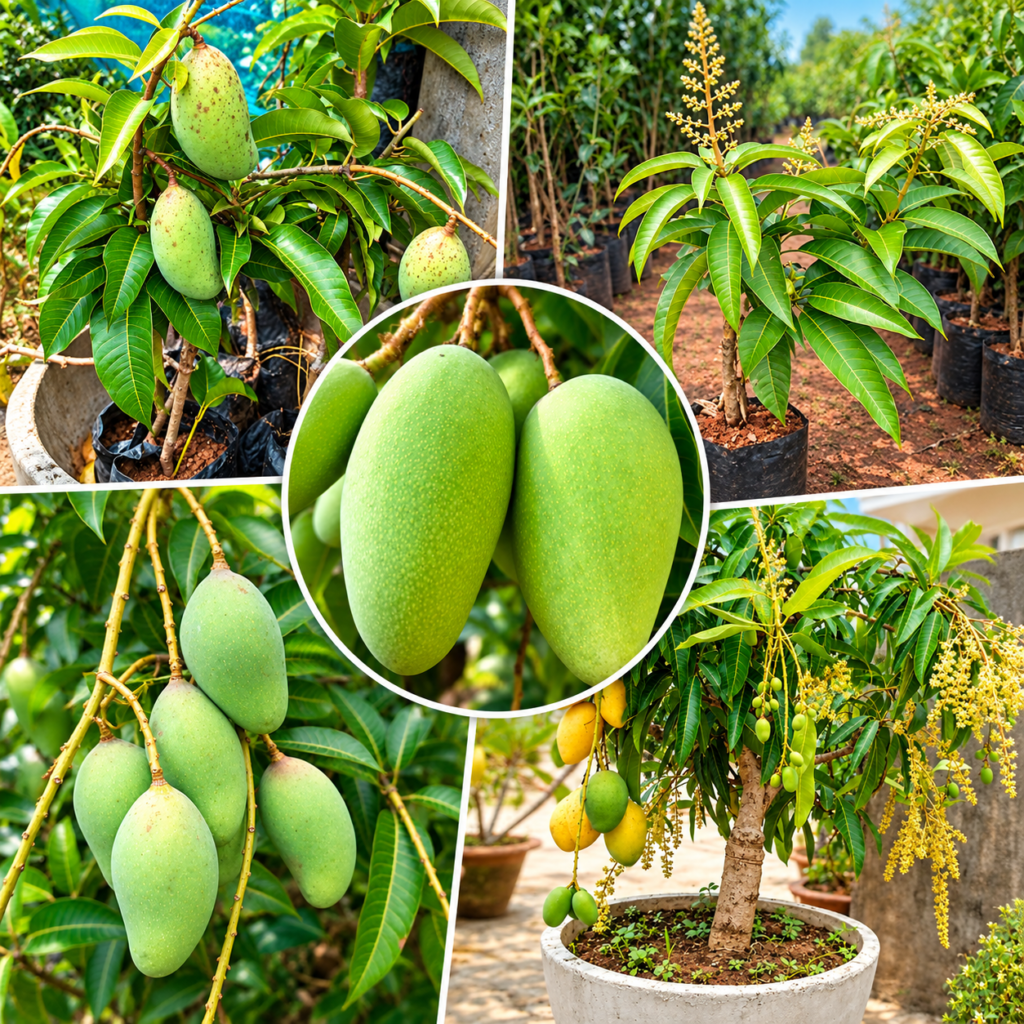
Precocious Fruiting Cycle: Because these are genuine grafted specimens, the tree directs its energy into producing flower panicles early, yielding harvestable fruit within 12 to 24 months.
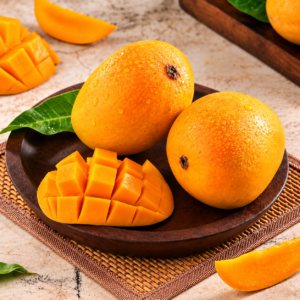
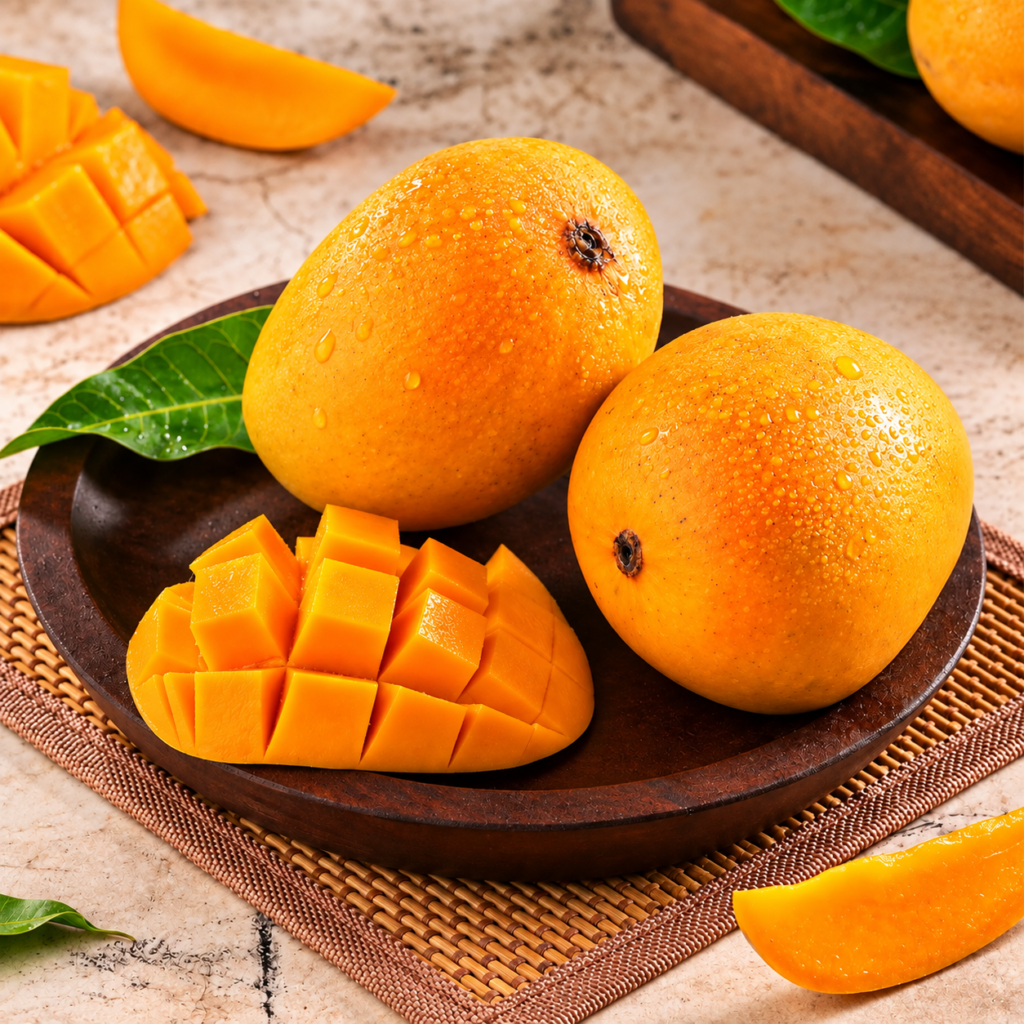
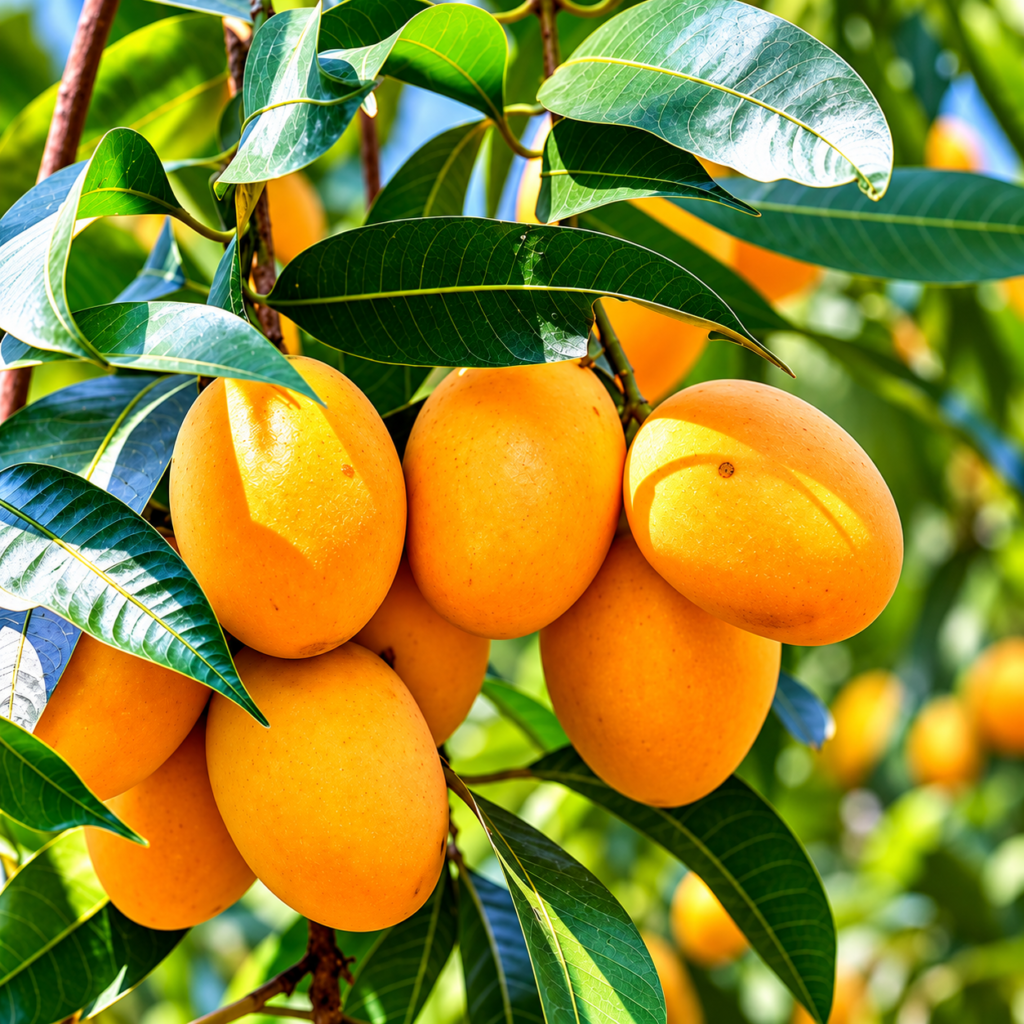
Striking Golden Harvest: The mangoes develop a flawless, warm golden-yellow skin as they ripen, making them visually stunning both on the tree and in the fruit bowl.
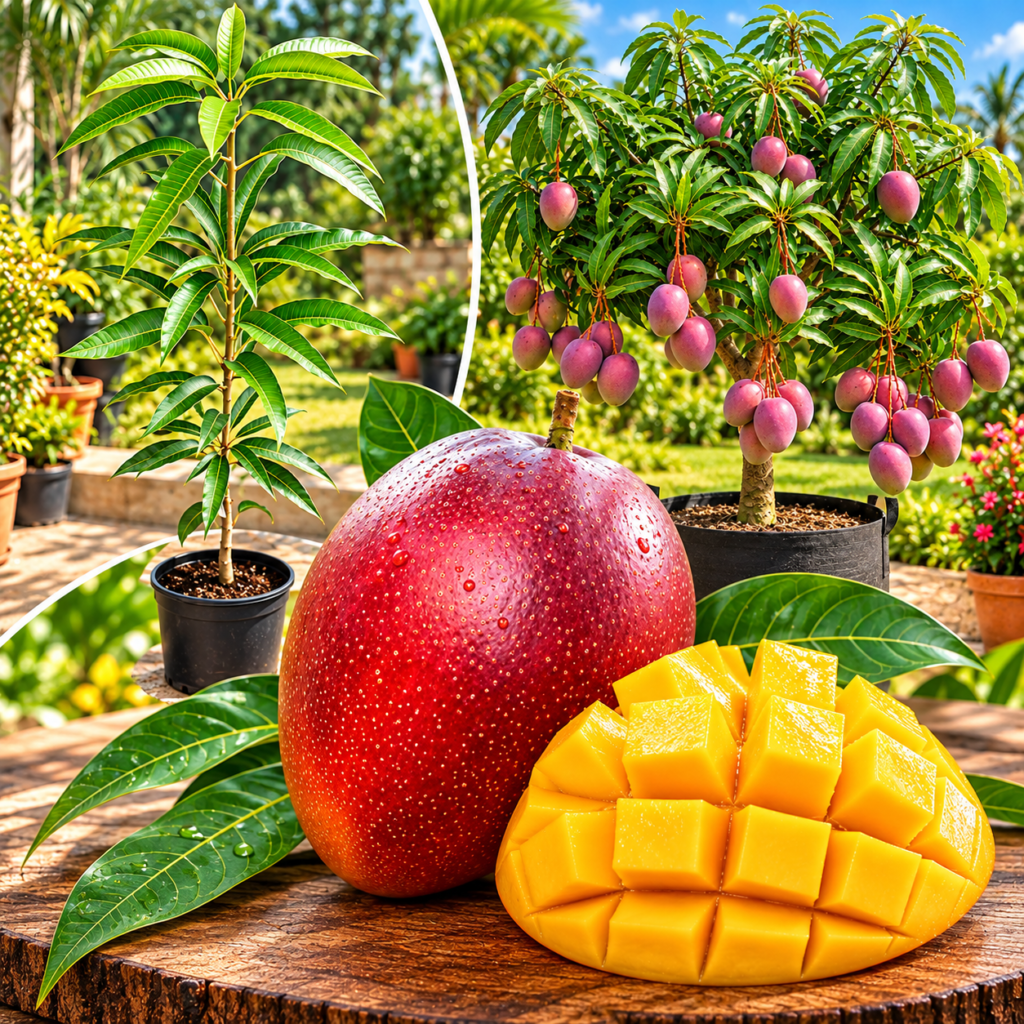
Versatile Growth Habit: While it can grow into a majestic shade tree in open soil, systematic tip-pruning keeps the alphonso mango plant compact enough for 24-inch terrace containers.
Premium Culinary Use: The dense, moisture-controlled pulp makes this variety perfect for fresh eating, purees, ice creams, and traditional desserts like Aamras.
Botanical Characteristics & Specifications
Botanical Name: Mangifera indica ‘Alphonso’
Common Names: Hapus, Alphonso, King of Mangoes
Plant Type: Vegetative cleft graft on a resilient native rootstock.
Fruit Color: Green when immature, turning a rich golden-yellow with an occasional saffron blush when ripe.
Average Fruit Weight: 150 to 300 grams per fruit.
Sunlight Needs: 6 to 8 hours of uninterrupted, direct daily sunlight.
Soil Preference: Highly adaptable, but prefers well-draining laterite, red loam, or premium organic potting mix.
Complete Cultivation Guide for Your Alphonso Mango Plant
1. Soil Preparation & Potting
Terrace Containers: Select a sturdy 20- to 24-inch pot with excellent drainage. Create a rich mix using 50% garden loam, 30% aged cow manure or vermicompost, 10% cocopeat, and 10% river sand for aeration.
In-Ground Planting: Dig a 2x2x2 foot pit. Amend the native soil with organic compost, a handful of bone meal for root development, and neem cake powder to prevent subterranean termites.
2. Sunlight & Microclimate
The alphonso mango plant is a true tropical species that requires intense solar radiation to synthesize its famous sugars. Place the tree in the sunniest spot available, ensuring it receives a minimum of 6 to 8 hours of direct light daily.
3. Irrigation Strategy
Water the young tree deeply but infrequently. Allow the top 2 to 3 inches of the soil profile to dry completely before watering again.
Flowering Stage: When the tree pushes out flower panicles in late winter/early spring, restrict watering slightly to prevent the tree from dropping blossoms in favor of vegetative leaf growth. Resume normal watering once the fruitlets reach the size of a marble.
4. Nutrition & Fertilization
Top-dress the base with high-quality organic manure and bone meal twice a year (pre-monsoon and post-monsoon).
During the fruit-setting stage, an application of organic potassium (like wood ash or potassium sulfate) will significantly enhance the sweetness and firmness of the fruit pulp.
Spray liquid seaweed extract monthly to maintain robust green foliage and strong branch development.
5. Pruning & Maintenance
Inspect the base regularly and immediately prune any shoots or suckers emerging from below the graft union.
Prune the canopy lightly after the summer harvest to maintain a manageable, bushy shape, which is especially critical if you are growing the plant in a container.
Frequently Asked Questions
Can the alphonso mango plant produce fruit in a pot?
Yes. Thanks to the grafted rootstock, the tree’s vigorous vertical growth is naturally restricted. When housed in a sufficiently large container (24 inches) and provided with proper nutrition, it will fruit reliably.
When does the Alphonso tree bear fruit?
In the Indian subcontinent, the tree typically flowers between January and February, with the golden-yellow fruits ripening for harvest from April through early June.
Do I need two trees for pollination?
No. The alphonso mango plant is self-fertile, meaning a single tree will successfully pollinate itself and bear fruit.
Transit, Unpacking & Acclimatization Instructions
Every alphonso mango plant is carefully selected, its roots are hydrated, and it is secured in a ventilated corrugated box to ensure it survives transit stress.
Unbox Promptly: Gently open the package upon delivery and extract the plant to provide the foliage with fresh air.
Hydrate the Root Ball: The soil in the nursery polybag may be dry from shipping; give it a moderate watering immediately.
Rest in Filtered Shade: Place the plant in a bright, shaded outdoor area for 3 to 5 days to acclimatize before moving it into harsh, direct sunlight.
- Mind the Graft Joint: When repotting or planting in the ground, ensure the graft union remains well above the soil line to prevent collar rot.
Know more about our Mango plants: https://vaanmitra.in/product-category/buy-fruit-plants-online-india/mango-plants/
Know more about Mango: https://en.wikipedia.org/wiki/Mango
Reviews
There are no reviews yet.