 Track your Order



Description
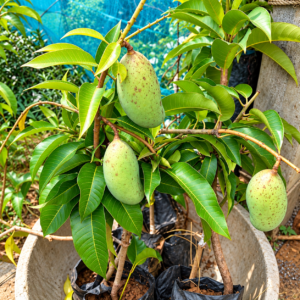
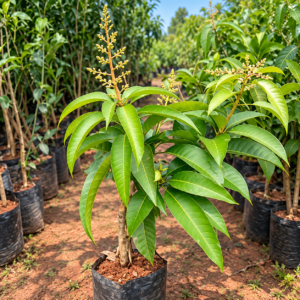
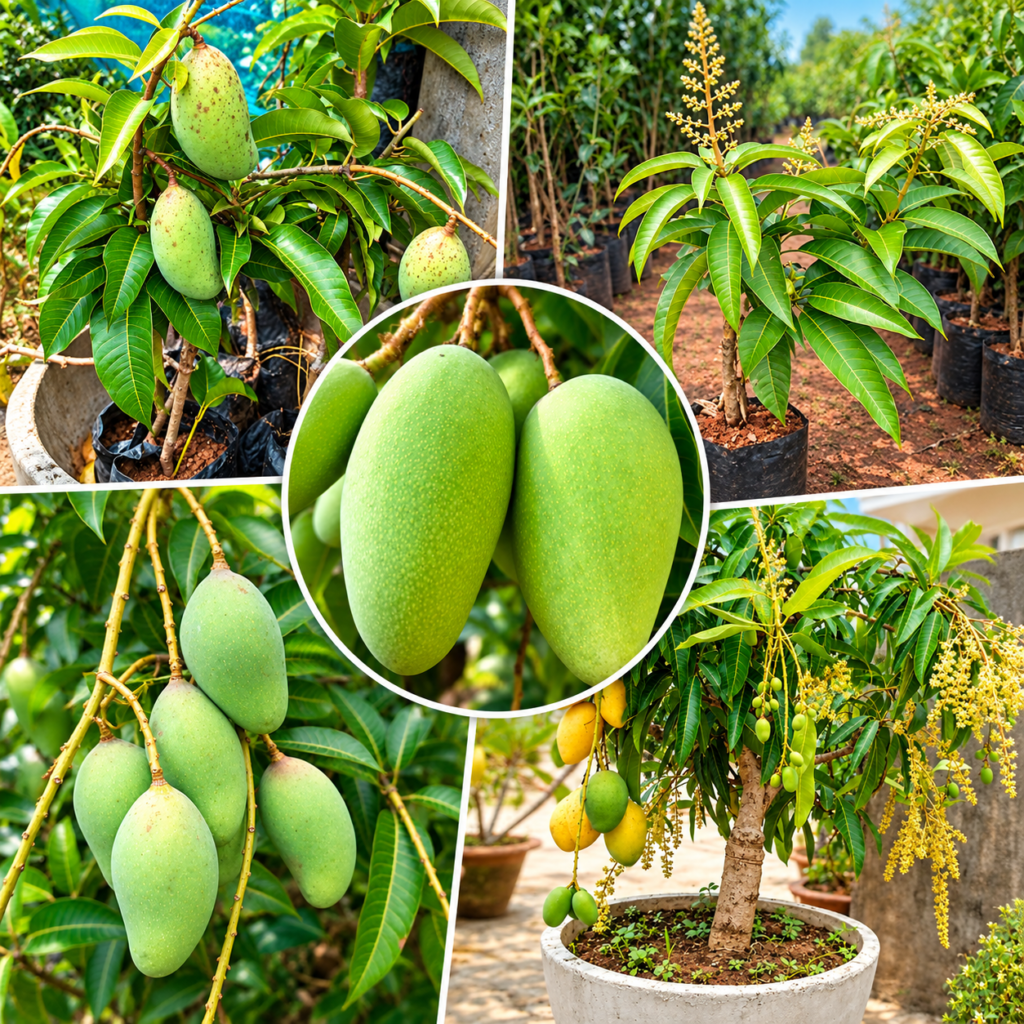
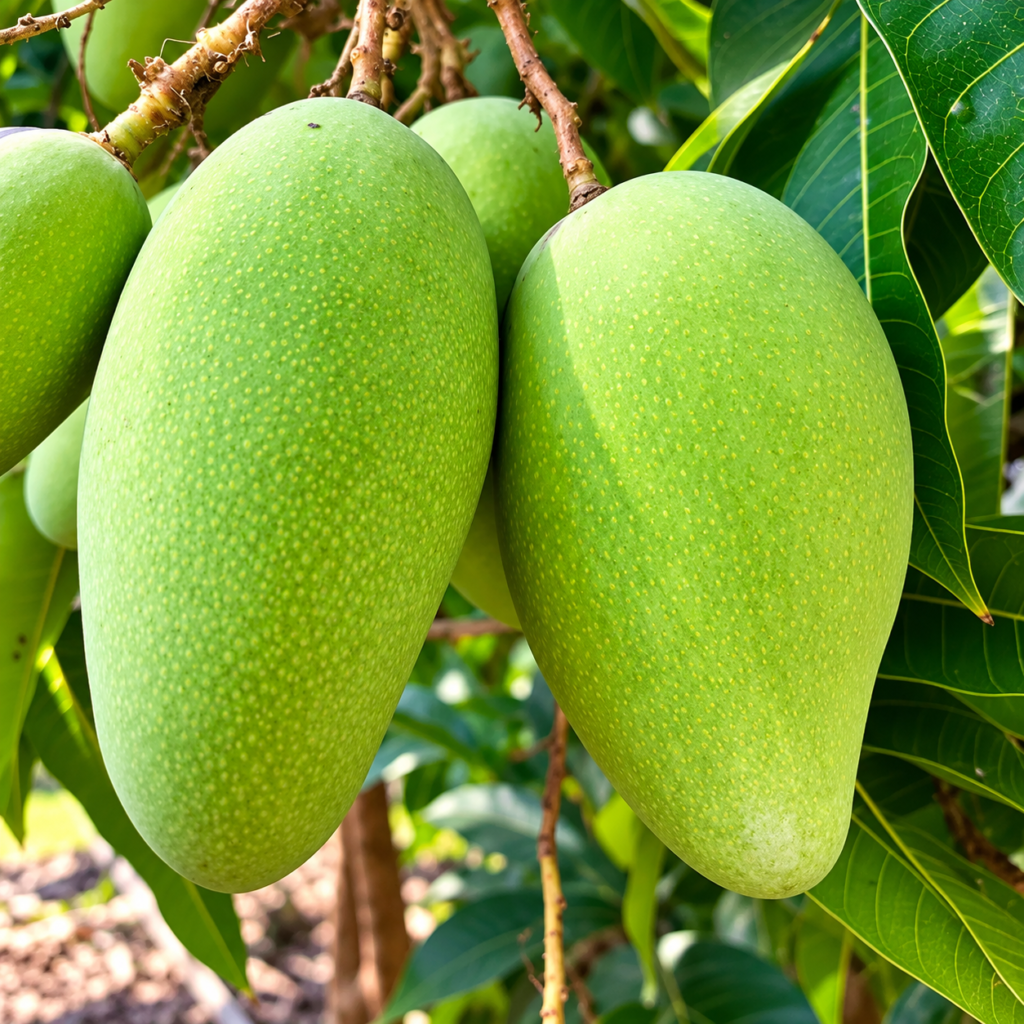
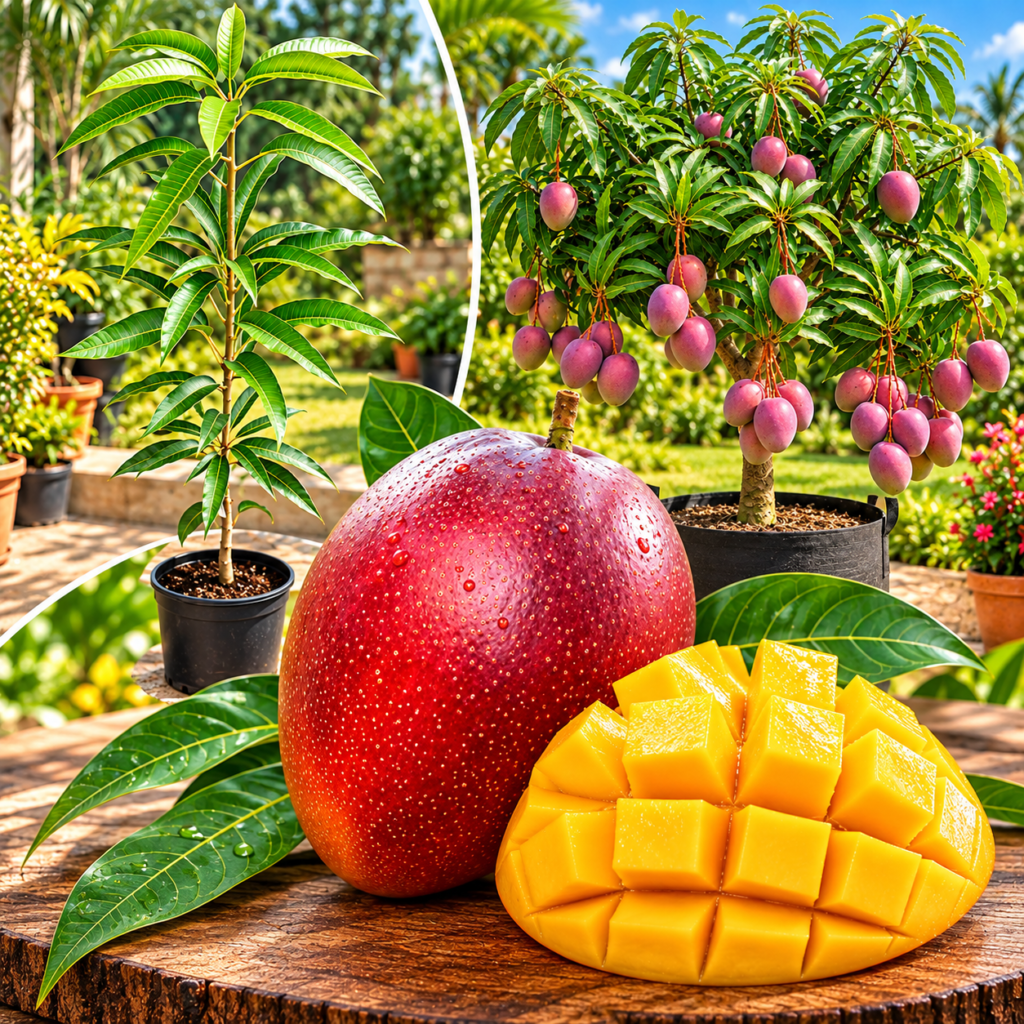
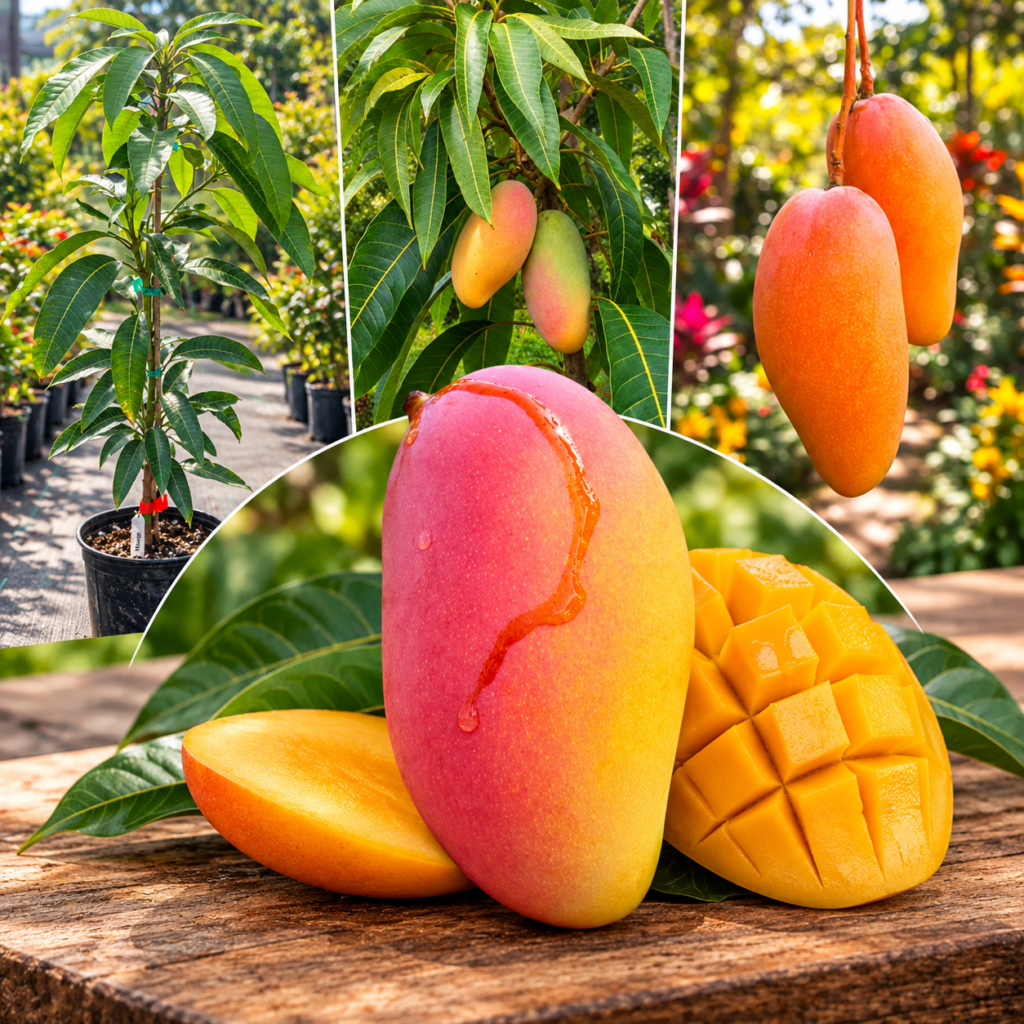
The all time mango plant breaks the traditional barrier of seasonal fruit harvesting by providing fresh, homegrown mangoes throughout the year. Known across horticulture circles as the Baramasi mango, this specialized grafted cultivar undergoes multiple flowering cycles, allowing you to enjoy fresh fruit in summer, monsoon, and winter. Unlike standard indigenous seedling trees that take 6 to 8 years to reach maturity, a genuine grafted all time mango plant transitions into flowering in its first year, making it a reliable performer for fruit growers.
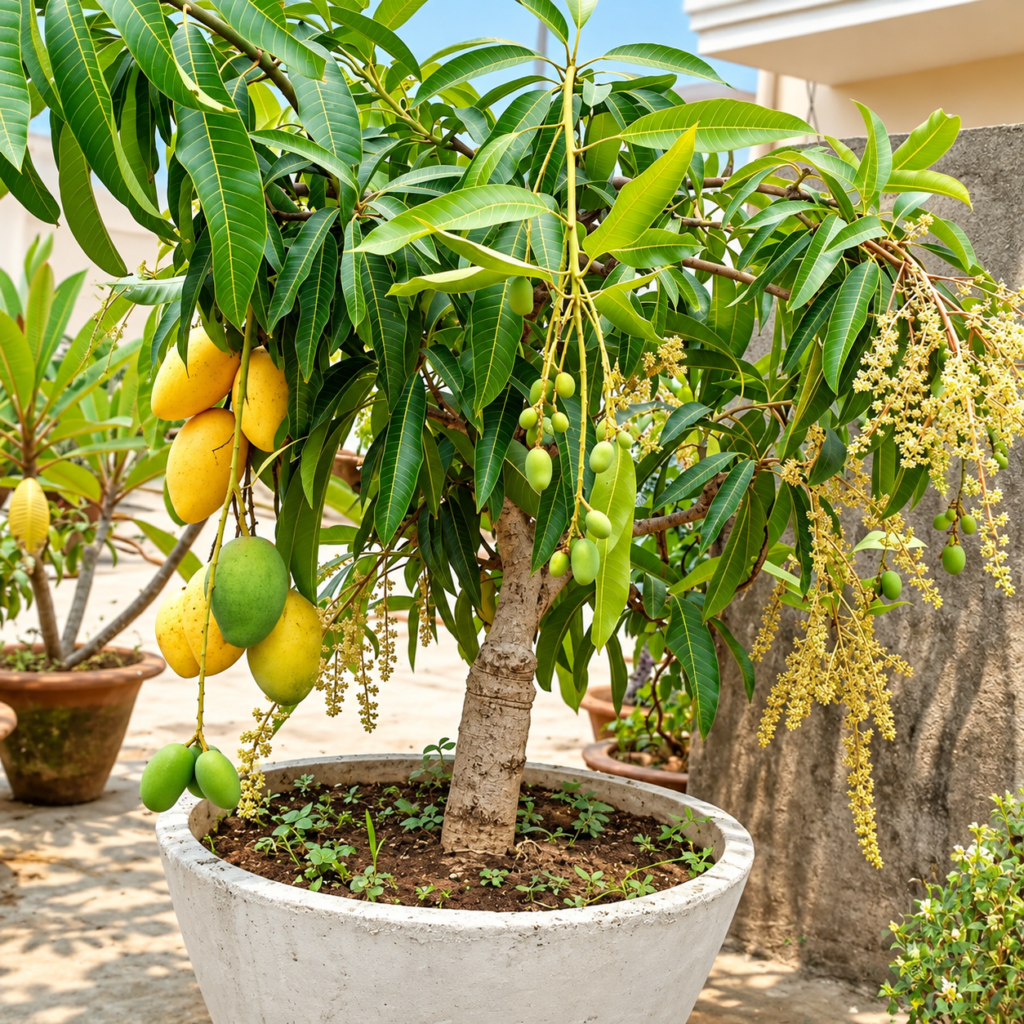
Whether planted in open garden beds or maintained as a dwarf centerpiece in a container on your terrace, the all time mango plant combines prolific yields with an attractive, lush canopy.
Why Choose the Grafted All Time Mango Plant?
Conventional mango cultivars restrict your harvest to a few short weeks in peak summer. The all time mango plant changes how you grow mangoes at home:
Non-Stop Fruiting & Multi-Stage Harvests: The all time mango plant displays flowers, tender baby fruitlets, and mature yellow-green mangoes on the canopy at the same time.
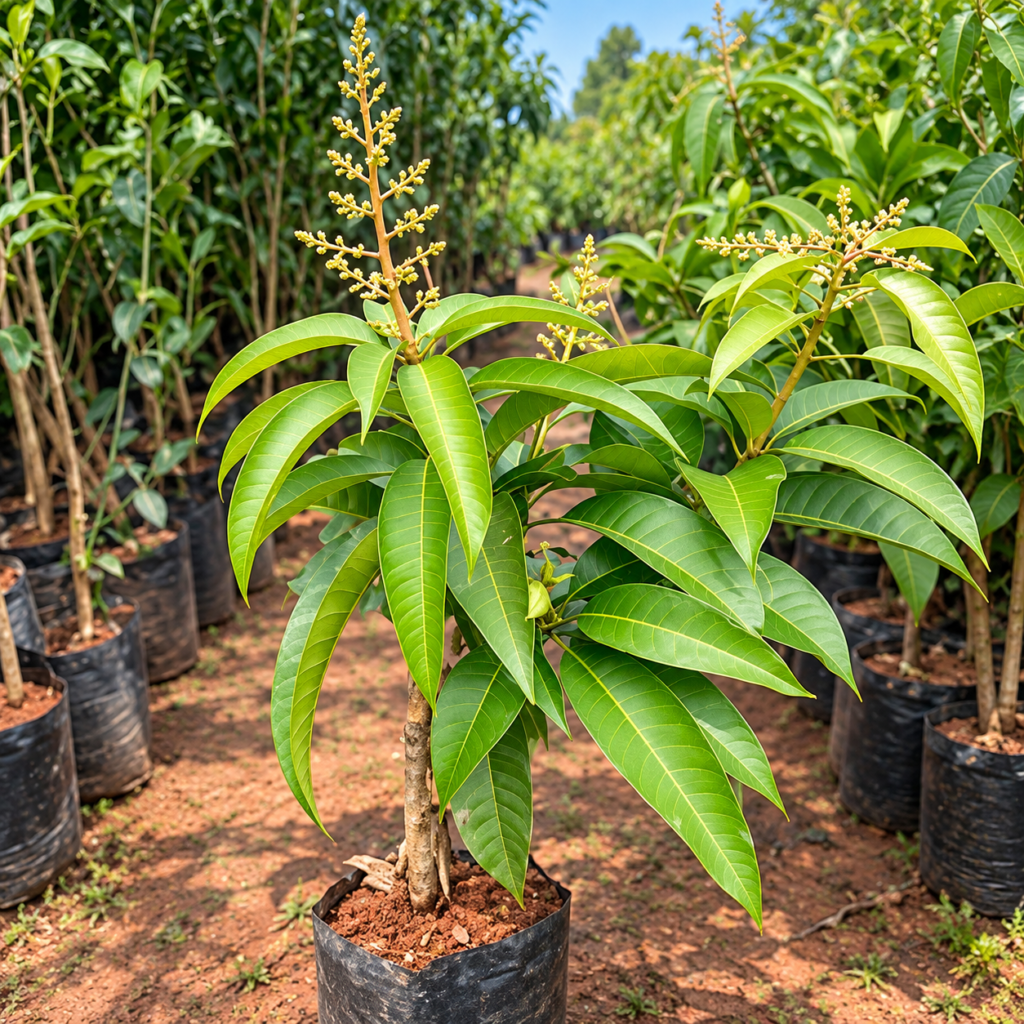
Precocious Bearing: Because it is propagated using mature scions grafted onto vigorous rootstocks, an all time mango plant starts setting blossoms within months of field transfer.
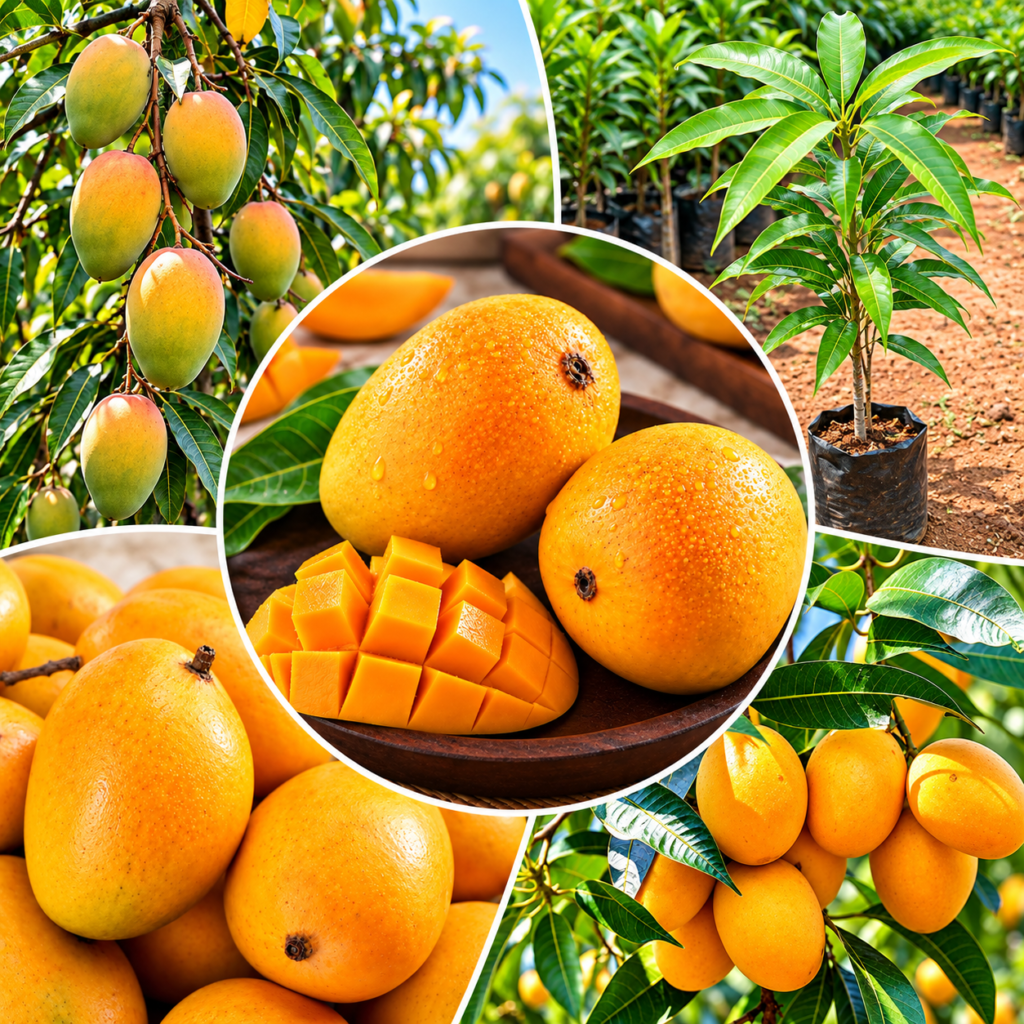
Sweet, Low-Fiber Flesh: The fruit develops a bright golden interior when fully ripe, delivering high sweetness, delicate tropical aroma, and minimal stringy fibers.
Dual Culinary Use: Harvest fruits green for raw salads, chutneys, and pickles, or let them ripen naturally on the tree into sweet dessert mangoes.
Terrace Container Specialist: Its compact root architecture and balanced branch habit make the all time mango plant suitable for 18- to 24-inch pots, grow bags, and urban rooftop farming.
Botanical Characteristics & Variety Specifications
Botanical Name: Mangifera indica ‘Baramasi’
Common Names: All Time Mango, Baramasi Mango, All Season Mango, Thai Everbearing Mango
Plant Type: Vegetative cleft graft on hardy native rootstock
Flowering Frequency: 2 to 3 distinct bloom periods per year
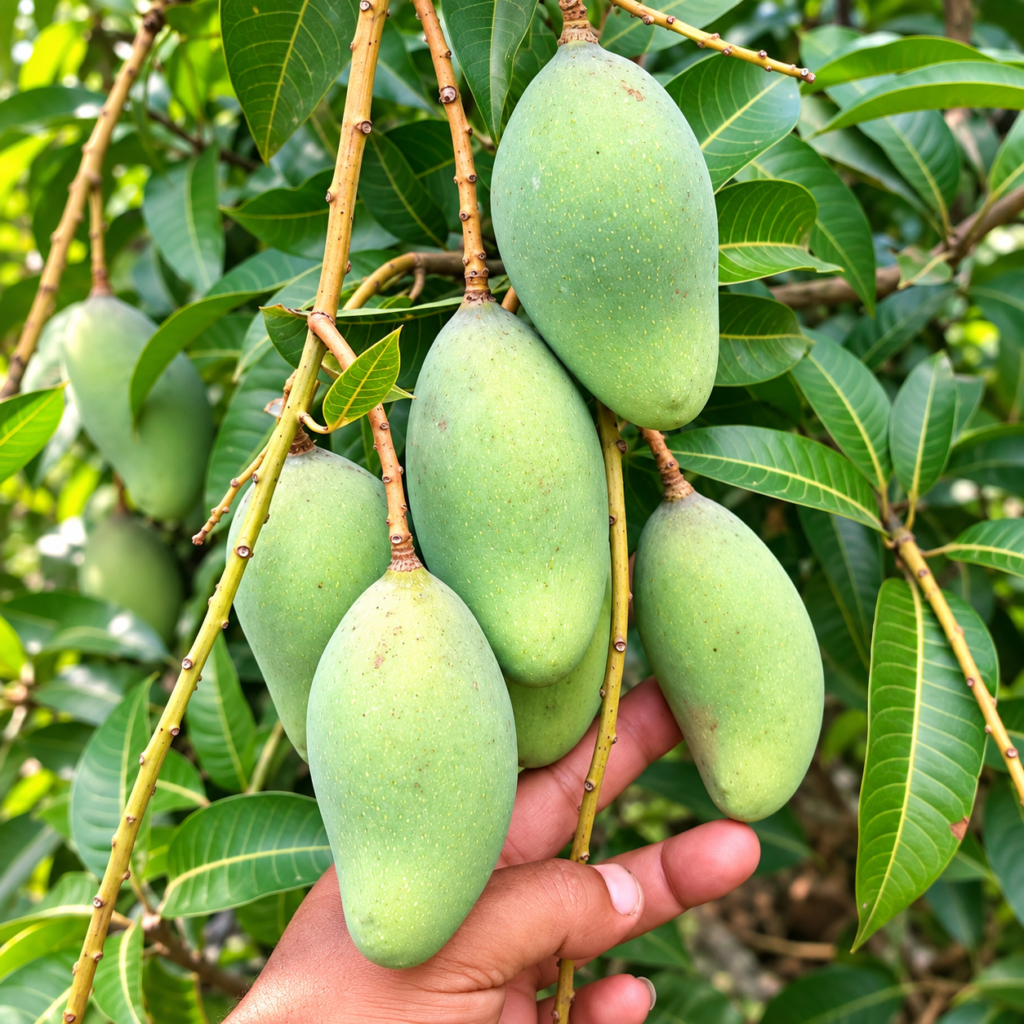
Fruit Shape: Elongated, slender, and curved with an emerald-green to golden-yellow skin
Average Fruit Weight: 250 to 400 grams per fruit
Sunlight Needs: 6 to 8 hours of uninterrupted, direct solar exposure daily
Soil Preference: Free-draining sandy loam or garden potting soil rich in organic matter
Complete Cultivation Guide for Your All Time Mango Plant
1. Potting Mix & In-Ground Preparation
Terrace Containers: Use an 18×18-inch or 24×24-inch pot with ample drainage holes. Blend 50% clean garden soil, 30% decomposed cow manure or vermicompost, 10% cocopeat, and 10% coarse river sand or perlite.
In-Ground Planting: Dig a 2×2×2-foot pit. Mix the soil with 15 to 20 kg of organic manure, 500 grams of bone meal, and 200 grams of neem cake to protect the young root network against pests.
2. Sunlight & Placement
Position your all time mango plant where it receives 6 to 8 hours of direct, unfiltered sunlight daily. Full sun exposure triggers continuous flower panicle emergence and prevents premature blossom drop.
3. Irrigation Strategy
Maintain consistent, moderate moisture; water thoroughly whenever the top 2 inches of soil feel dry.
During the emergence of flower panicles, keep the soil moderately moist rather than soggy. Excess watering during bloom can lead to vegetative shoot conversion and blossom loss.
4. Continuous Feeding Schedule
Because an all time mango plant expends energy flowering and setting fruit across multiple seasons, regular nutrition is essential:
Top-dress with 2 kg of vermicompost and a handful of bone meal every 45 to 60 days.
Spray with liquid seaweed extract or fermented bio-fertilizer once a month to support dense bloom clusters.
Supplement with a teaspoon of potassium sulfate (potash) during fruit swell to maximize pulp sweetness.
5. Pruning & Canopy Training
Keep the area beneath the graft union clear by removing any wild rootstock suckers that emerge.
Tip-prune non-fruiting branches once a year to stimulate fresh lateral nodes, creating more bud sites for the next round of flowers.
Frequently Asked Questions
Can the all time mango plant be grown successfully in pots?
Yes. The all time mango plant adapts well to container gardening because its grafted root system keeps the canopy compact while supporting heavy fruit loads.
Does the all time mango plant bear fruit in winter?
Yes. Under warm, frost-free subtropical and tropical conditions, the plant blooms and ripens fruit across winter, summer, and monsoon seasons.
Does it require a secondary pollinator tree?
No. The all time mango plant is self-fertile, setting fruit reliably on its own. Planting it near other varieties in our grafted fruit plants collection encourages active pollinator visits and boosts overall harvest volume.
Transit, Unpacking & Acclimatization Instructions
Every all time mango plant is checked for stem health, hydrated, and shipped in reinforced packaging.
Unbox Promptly: Unpack the carton upon arrival to restore fresh air circulation around the leaves.
Moisten the Soil: Check the nursery container and water the root ball lightly.
Acclimatize in Bright Shade: Place the plant in bright, indirect outdoor light for 3 to 5 days to recover from transit fatigue before moving it to full sun.
- Protect the Graft Joint: When potting or field planting, position the graft union comfortably above the soil line to avoid collar rot.
Know more about our fruit plants: https://vaanmitra.in/product-category/buy-fruit-plants-online-india/
Know more about Mango: https://en.wikipedia.org/wiki/Mango
Reviews
There are no reviews yet.