🌿 Premium Nursery Plants 🚚 Free Delivery Above ₹499 🍃 Sustainably Grown & Carefully Nurtured ✨ Elevate Your Living Spaces Naturally

🚚 Free Delivery Above ₹499 | 🌿 7-Day Fresh Guarantee | 💚 Secure Payments

Original Thai Mahachanok Mango Plant (Grafted) – Sweet Rainbow Live Fruit Tree

Original price was: ₹2,499.00.Current price is: ₹999.00.

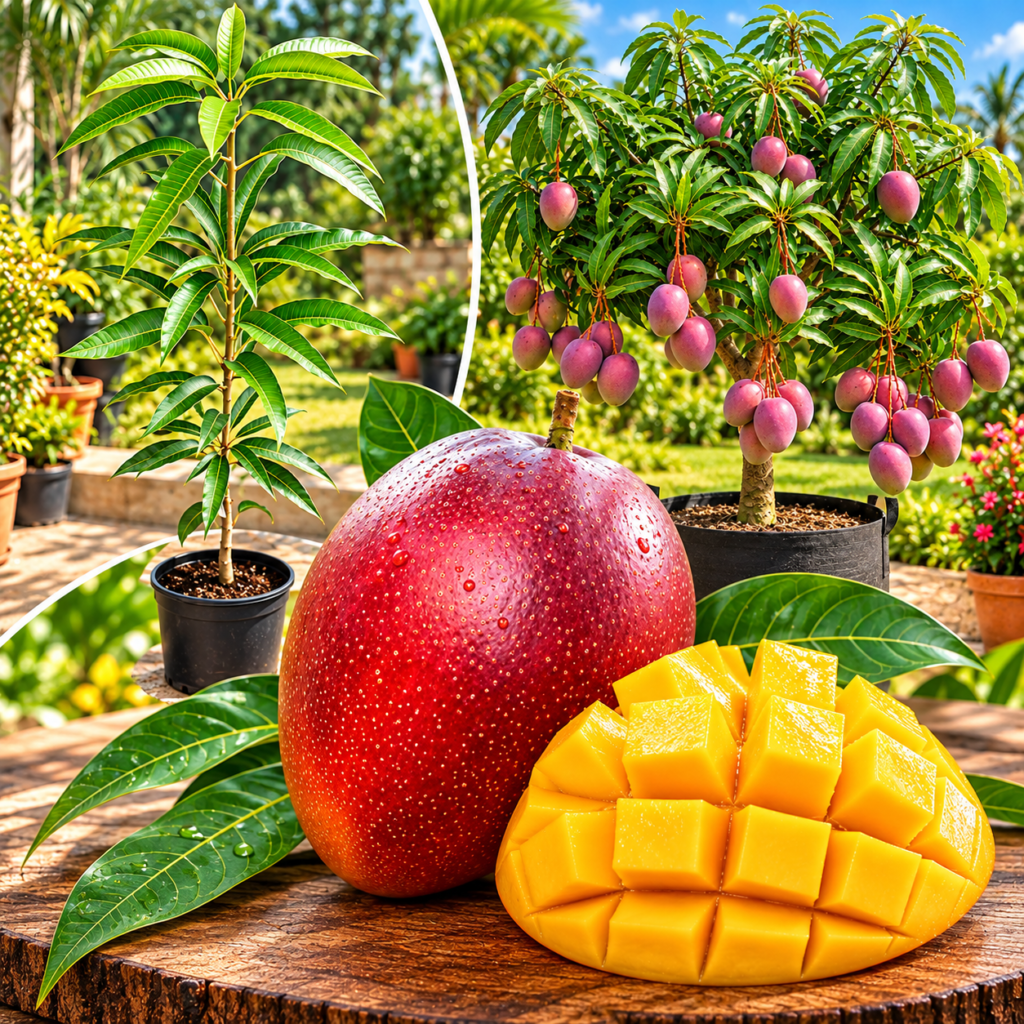
The Mahachanok Mango Plant (also known as Thai Rainbow Mango or Maha Chinook) is an elite hybrid cultivar originating from Thailand, bred from the celebrated Sunset and Nang Klang Wan varieties. Widely considered by fruit connoisseurs to be one of the finest dessert mangoes in the world, this variety stands out for its visual appeal and flavor profile. Unlike traditional seed-grown mango trees that take up to eight years to bear fruit, this premium grafted Mahachanok Mango Plant produces abundant, harvestable fruit within just 1 to 2 years of planting. Whether you cultivate fruit in open orchard soil or maintain…

Buy Now

Description

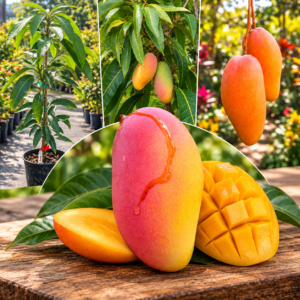
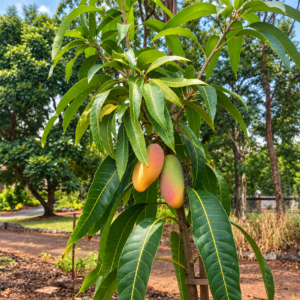
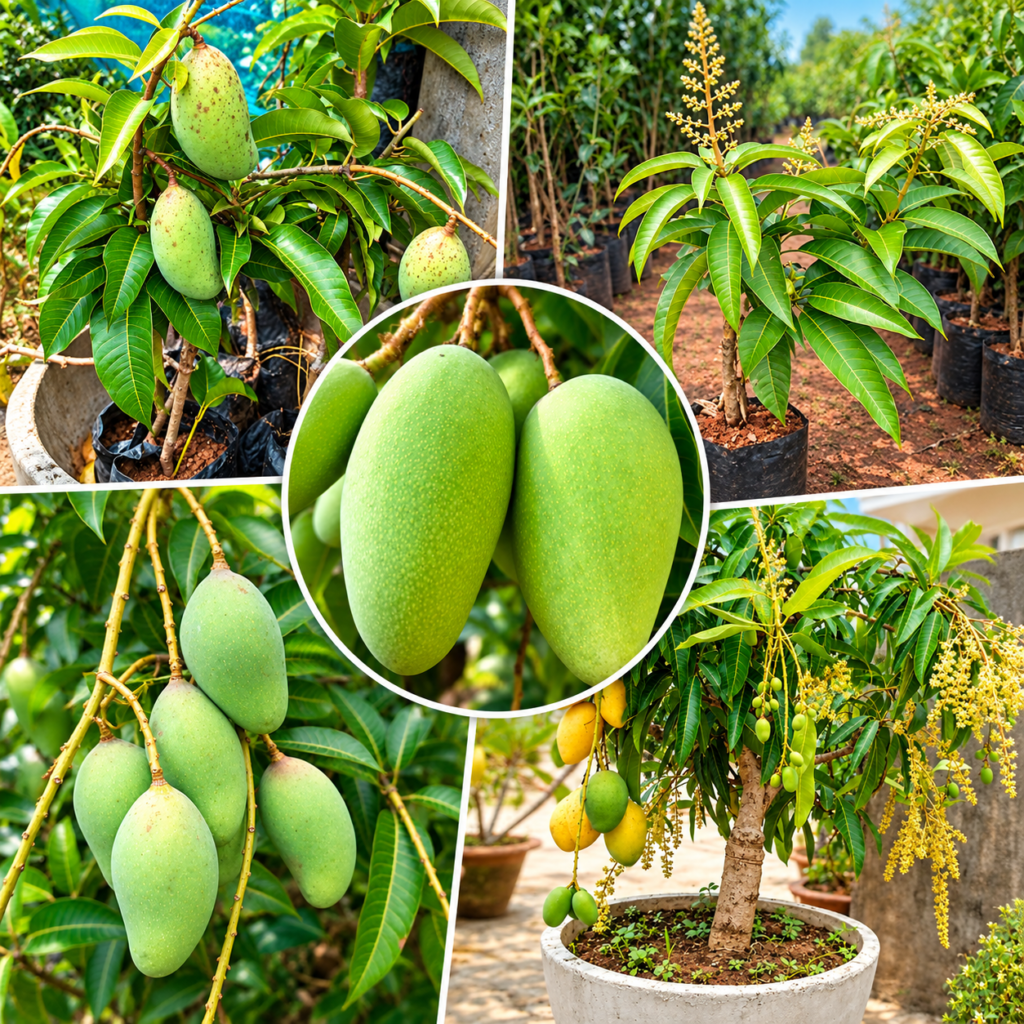
The Mahachanok Mango Plant (also known as Thai Rainbow Mango or Maha Chinook) is an elite hybrid cultivar originating from Thailand, bred from the celebrated Sunset and Nang Klang Wan varieties. Widely considered by fruit connoisseurs to be one of the finest dessert mangoes in the world, this variety stands out for its visual appeal and flavor profile. Unlike traditional seed-grown mango trees that take up to eight years to bear fruit, this premium grafted Mahachanok Mango Plant produces abundant, harvestable fruit within just 1 to 2 years of planting.

Whether you cultivate fruit in open orchard soil or maintain a terrace fruit orchard using large containers, the Mahachanok Mango Plant offers manageable vegetative growth, high disease resistance, and reliable annual fruit sets.

Why Choose the Grafted Mahachanok Mango Plant?

Traditional indigenous mango trees often grow into massive forest canopies that require heavy maintenance and years of patience. The Mahachanok Mango Plant solves these constraints:

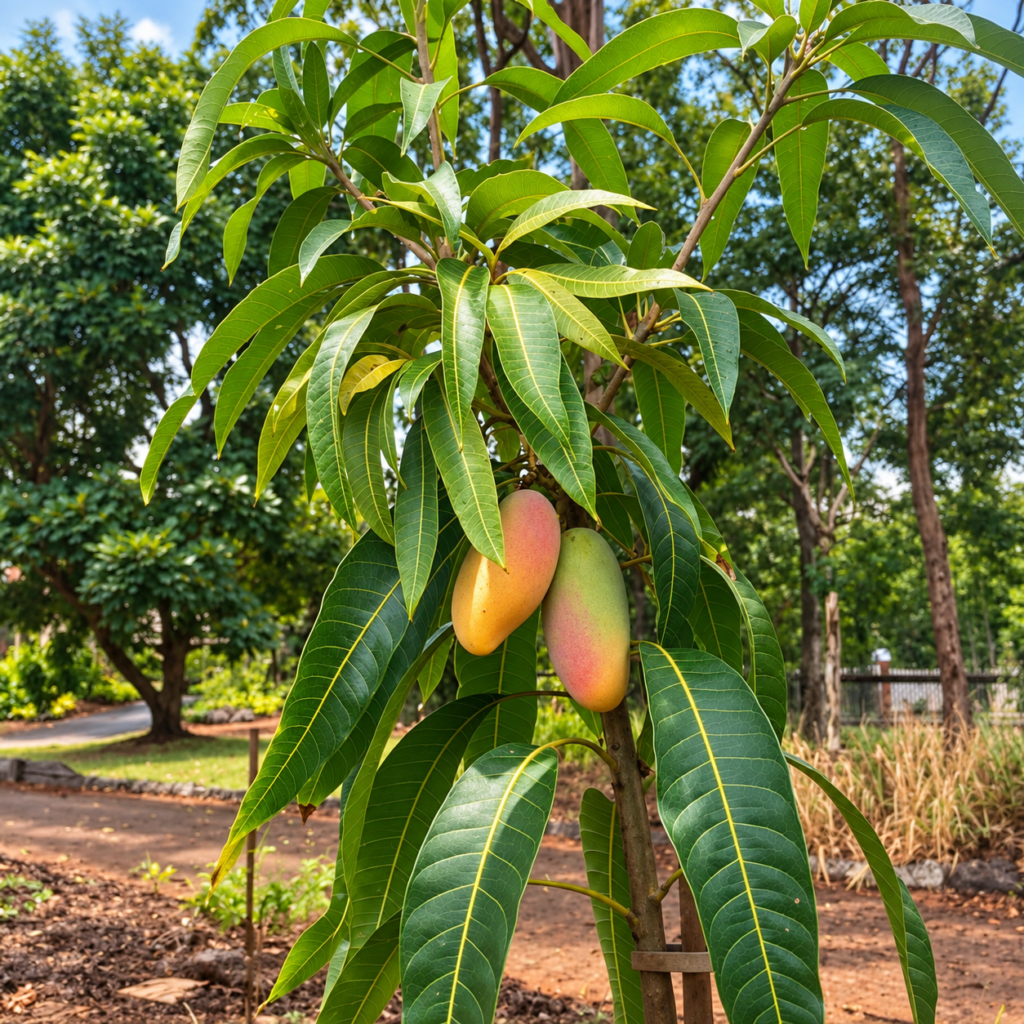
  • Precocious Bearing Cycle: Propagated via cleft grafting from mature mother trees, the Mahachanok Mango Plant bypasses the juvenile phase and initiates flower panicles within 12 to 24 months.

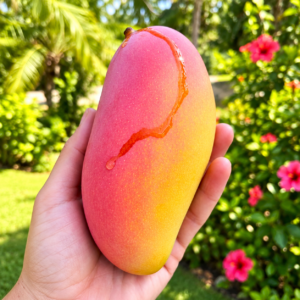
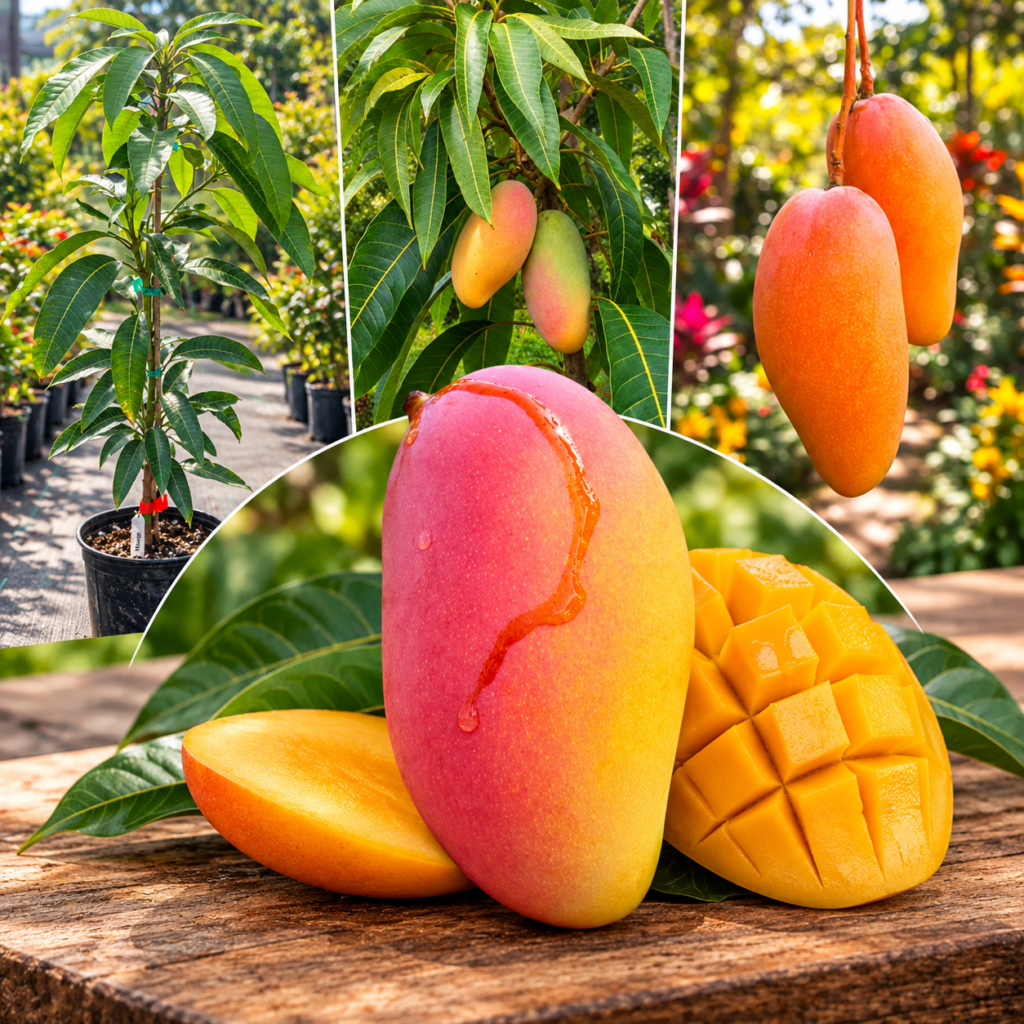
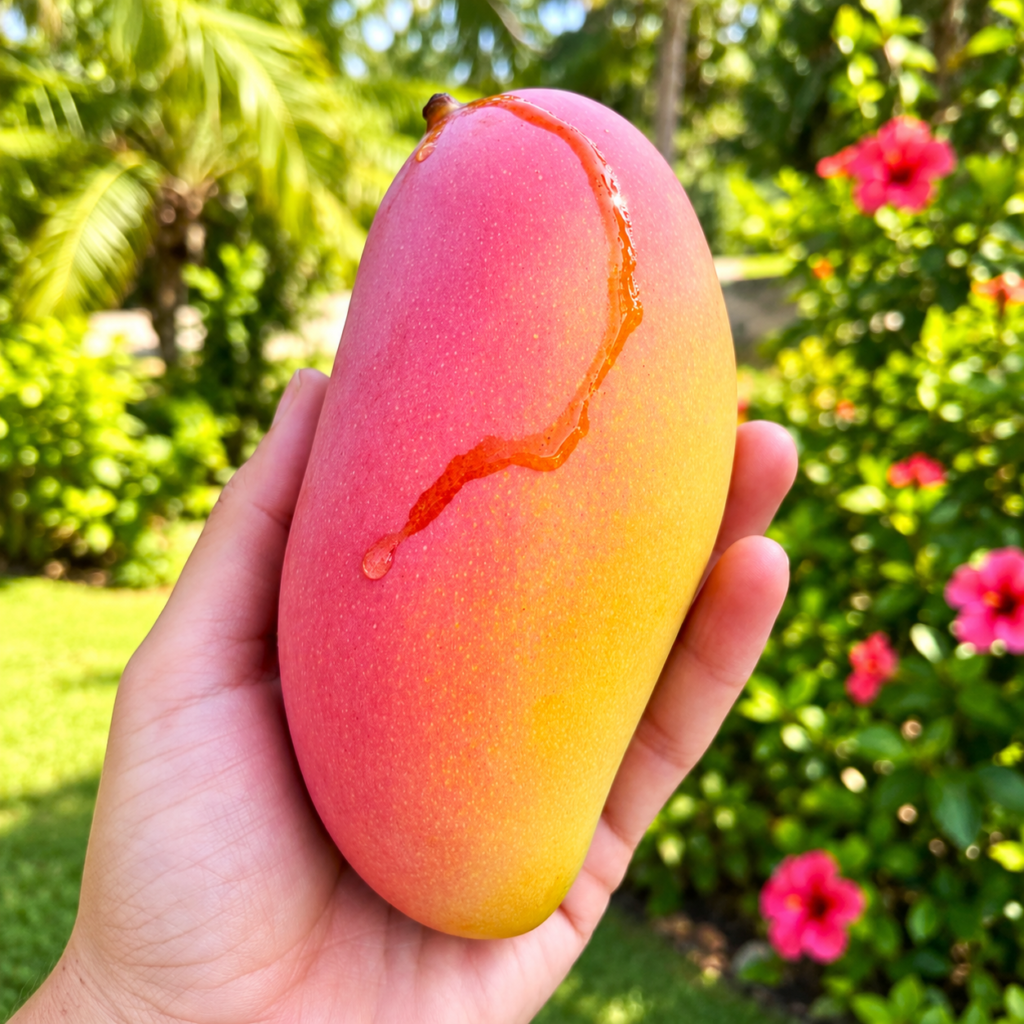
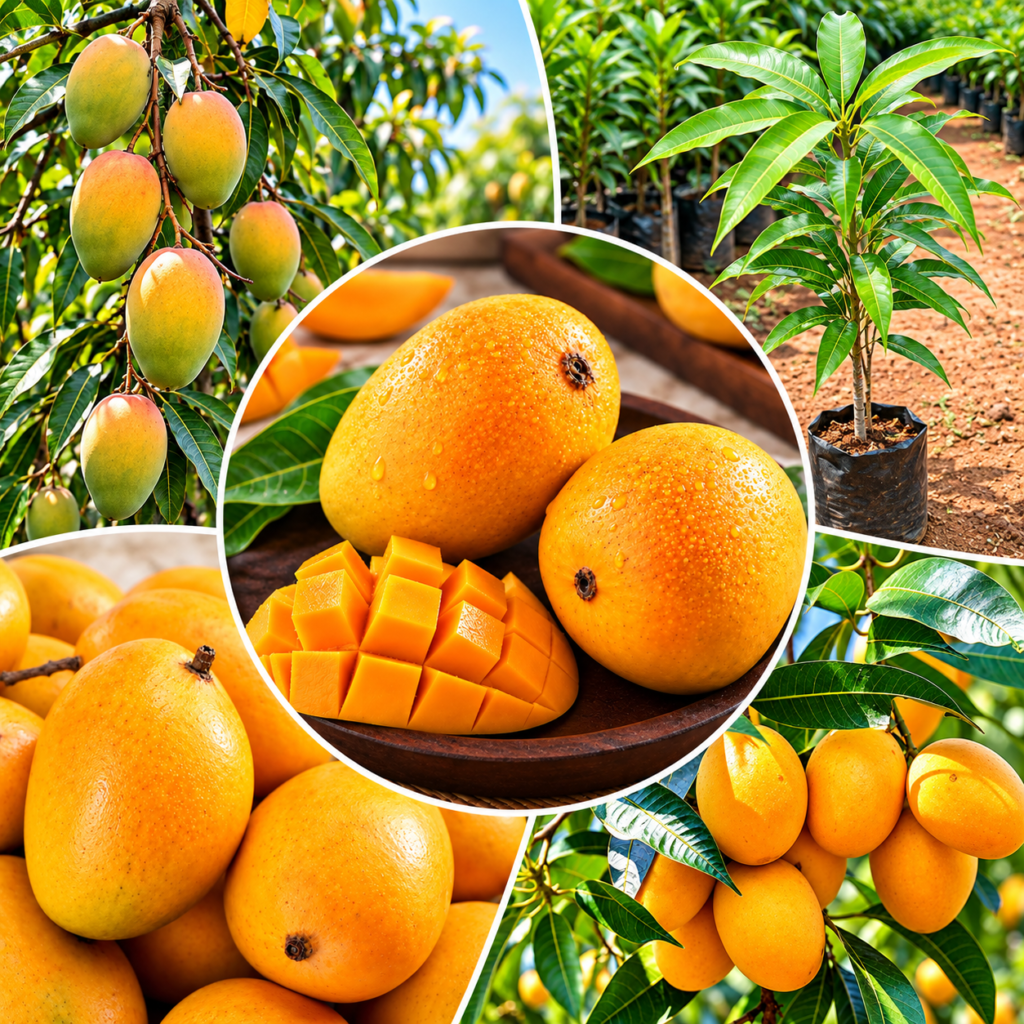
  • Striking Rainbow Skin: As the fruit matures under the sun, its smooth skin develops a vivid gradient of sunset hues—transitioning from soft green to golden yellow with an intense purplish-pink blush.

  • Completely Fiberless, Silky Flesh: The interior offers deep saffron-yellow flesh with zero stringy fiber, providing a melt-in-the-mouth texture suitable for fresh slicing, desserts, and gourmet plating.

  • Paper-Thin Seed: The variety is famous for having an exceptionally flat, slender seed stone, which maximizes edible pulp yield per fruit.

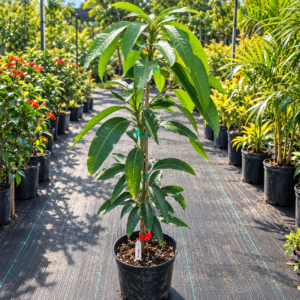
  • Terrace & Container Friendly: The canopy remains naturally compact and responds well to seasonal pruning, making it suitable for 18- to 24-inch pots and rooftop setups.

Botanical Characteristics & Fruit Specifications

  • Botanical Name: Mangifera indica

  • Cultivar: Mahachanok (Maha Chinook / Thai Rainbow)

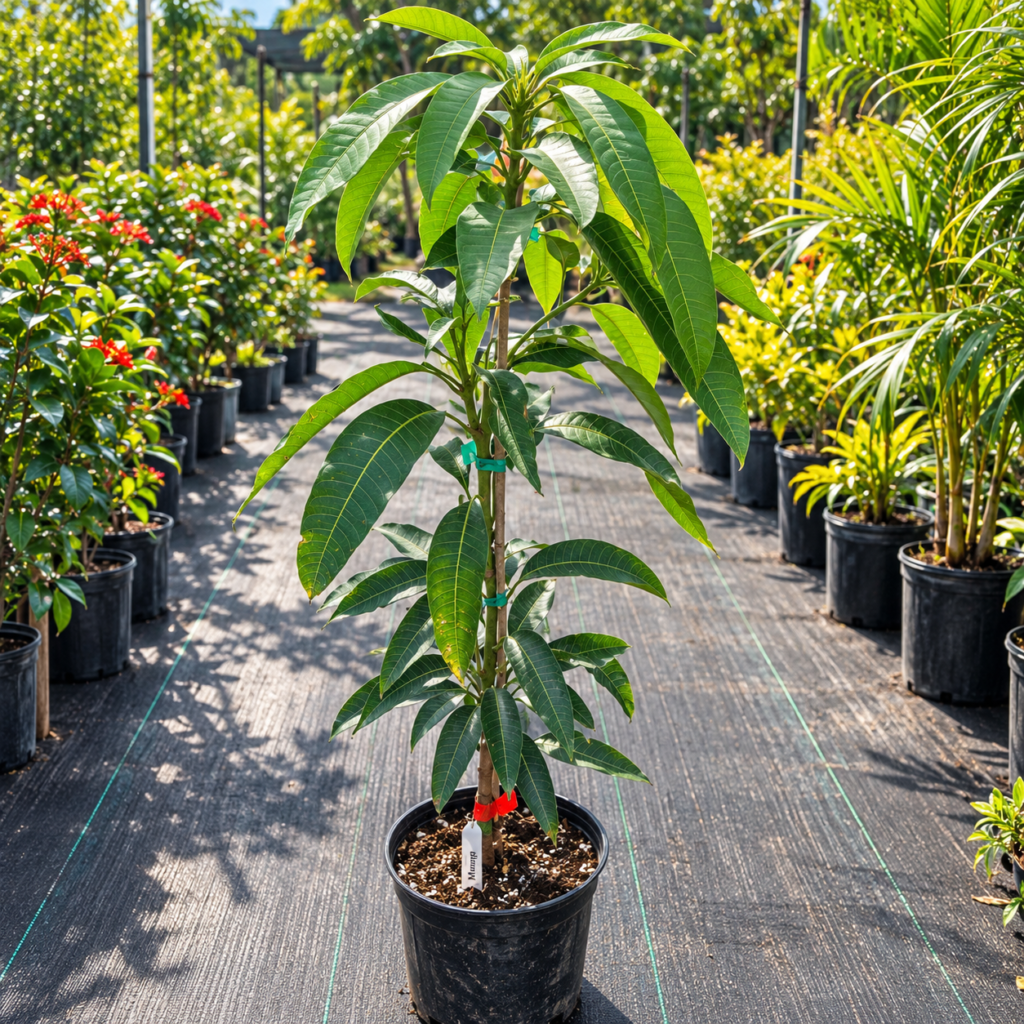
  • Propagation Type: Genuine vegetative graft (scion on sturdy rootstock)

  • Fruit Shape: Gracefully elongated, slender, and slightly curved

  • Average Fruit Weight: 300 to 450 grams per fruit

  • Flesh Color & Texture: Rich golden-orange, non-fibrous, and buttery

  • Sunlight Needs: 6 to 8 hours of uninterrupted, direct daily sunlight

  • Soil Preference: Rich, well-draining sandy loam or garden potting mix (pH 5.5 to 7.0)

Nutritional & Health Benefits of Fresh Mangoes

Harvesting fresh fruit from your own Mahachanok Mango Plant provides pure, chemical-free nutrition:

  • Packed with Provitamin A & Carotenoids: The intense yellow-orange coloration denotes high beta-carotene levels that support ocular health, immune response, and skin regeneration. Detailed pharmacological and botanical properties of the genus can be explored on Wikipedia’s Mangifera indica overview.

  • Abundant Vitamin C & Antioxidants: Rich in ascorbic acid, polyphenols, and mangiferin, helping combat cellular oxidative damage and enhancing daily immunity.

  • Digestive Enzymes: Contains natural amylase enzymes that break down complex carbohydrates, aiding healthy gastrointestinal absorption.

Complete Cultivation Guide for Your Mahachanok Mango Plant

1. Potting Mix & Pit Preparation

Proper soil structure is crucial for root establishment:

  • For Terrace Pots & Containers: Use an 18×18 inch or 24×24 inch container with drainage holes. Blend 50% clean garden loam, 30% organic vermicompost, 10% river sand or perlite (for rapid drainage), and 10% cocopeat.

  • For In-Ground Planting: Dig a pit measuring 2×2×2 feet. Mix topsoil with 15–20 kg of well-composted manure, 500 grams of bone meal, and 200 grams of neem cake to deter root pests.

2. Sunlight & Microclimate Placement

  • The Mahachanok Mango Plant thrives under hot, sunny conditions.

  • Position the tree in an area receiving at least 6 to 8 hours of direct, unobstructed sunlight. Direct exposure is necessary for developing the characteristic pink-red blush on the fruit skin.

3. Irrigation Management

  • Water thoroughly whenever the top 2 inches of topsoil feel dry.

  • Flowering Stage Caution: When flower panicles emerge in late winter/early spring, reduce irrigation slightly to prevent vegetative flush from dropping the blossoms.

  • Fruit Development: Resume regular, deep watering once the fruitlets reach pea size to help them swell to their full size. Avoid overwatering, which leads to root suffocation.

4. Fertilization Schedule

  • Feed your Mahachanok Mango Plant with organic compost, decomposed cow manure, and a handful of bone meal every 45 to 60 days during active spring and summer growth.

  • Avoid heavy chemical nitrogen fertilizers during the pre-flowering stage, as excess nitrogen promotes foliage growth at the expense of fruit production.

  • Spray liquid seaweed extract or micronutrient solution once a month to support dense flowering and bud retention.

5. Pruning & Canopy Management

  • Keep the area below the graft union completely clear; immediately snap off any wild suckers growing from the rootstock.

  • Tip-prune apical shoots after harvest to encourage a branched, bushy canopy and keep the tree at a manageable height for terrace gardens.

Frequently Asked Questions

Can the Mahachanok Mango Plant be grown successfully in pots?

Yes. The Mahachanok Mango Plant adapts well to container culture because the grafted rootstock restricts wild vertical expansion. In a 20- to 24-inch pot, it will produce fruit clusters reliably.

How sweet is the Mahachanok mango compared to other varieties?

It features a high Brix (sweetness) rating combined with a delicate floral undertone, eliminating the harsh sourness found near the skin of common varieties.

Does it require a secondary pollinator tree?

No. The Mahachanok Mango Plant is self-fertile and sets fruit independently through self-pollination. However, pairing it with varieties from our complete grafted fruit plants collection encourages frequent pollinator activity and boosts yields.

Transit, Unpacking & Acclimatization Instructions

Every Mahachanok Mango Plant is selected by nursery staff, root-moistened, and encased in protective, ventilated shipping boxes.

  1. Unbox Promptly: Gently open the package upon arrival and remove the tree upright.

  2. Hydrate the Root Ball: Give the base a light drink of water to replenish transit moisture loss.

  3. Acclimatize in Filtered Shade: Keep the plant in bright, indirect outdoor light for 3 to 5 days before shifting it into blazing full sunlight.

  4. Planting Depth: When potting or field-planting, ensure the graft union remains well above the soil line to prevent fungal issues.

    Know more about our fruit plants: https://vaanmitra.in/product-category/buy-fruit-plants-online-india/
    Know more about Mango: https://en.wikipedia.org/wiki/Mango
Reviews

There are no reviews yet.

Be the first to review “Original Thai Mahachanok Mango Plant (Grafted) – Sweet Rainbow Live Fruit Tree”

Your email address will not be published. Required fields are marked *

Related products

Original Thai Mahachanok Mango Plant (Grafted) – Sweet Rainbow Live Fruit Tree

Original price was: ₹2,499.00.Current price is: ₹999.00.
Brands:
Buy Now

The Mahachanok Mango Plant (also known as Thai Rainbow Mango or Maha Chinook) is an elite hybrid cultivar originating from Thailand, bred from the celebrated Sunset and Nang Klang Wan varieties. Widely considered by fruit connoisseurs to be one of the finest dessert mangoes in the world, this variety stands out for its visual appeal and flavor profile. Unlike traditional seed-grown mango trees that take up to eight years to bear fruit, this premium grafted Mahachanok Mango Plant produces abundant, harvestable fruit within just 1 to 2 years of planting.

Whether you cultivate fruit in open orchard soil or maintain a terrace fruit orchard using large containers, the Mahachanok Mango Plant offers manageable vegetative growth, high disease resistance, and reliable annual fruit sets.

Traditional indigenous mango trees often grow into massive forest canopies that require heavy maintenance and years of patience. The Mahachanok Mango Plant solves these constraints:

  • Precocious Bearing Cycle: Propagated via cleft grafting from mature mother trees, the Mahachanok Mango Plant bypasses the juvenile phase and initiates flower panicles within 12 to 24 months.

  • Striking Rainbow Skin: As the fruit matures under the sun, its smooth skin develops a vivid gradient of sunset hues—transitioning from soft green to golden yellow with an intense purplish-pink blush.

  • Completely Fiberless, Silky Flesh: The interior offers deep saffron-yellow flesh with zero stringy fiber, providing a melt-in-the-mouth texture suitable for fresh slicing, desserts, and gourmet plating.

  • Paper-Thin Seed: The variety is famous for having an exceptionally flat, slender seed stone, which maximizes edible pulp yield per fruit.

  • Terrace & Container Friendly: The canopy remains naturally compact and responds well to seasonal pruning, making it suitable for 18- to 24-inch pots and rooftop setups.

Botanical Characteristics & Fruit Specifications

  • Botanical Name: Mangifera indica

  • Cultivar: Mahachanok (Maha Chinook / Thai Rainbow)

  • Propagation Type: Genuine vegetative graft (scion on sturdy rootstock)

  • Fruit Shape: Gracefully elongated, slender, and slightly curved

  • Average Fruit Weight: 300 to 450 grams per fruit

  • Flesh Color & Texture: Rich golden-orange, non-fibrous, and buttery

  • Sunlight Needs: 6 to 8 hours of uninterrupted, direct daily sunlight

  • Soil Preference: Rich, well-draining sandy loam or garden potting mix (pH 5.5 to 7.0)

Nutritional & Health Benefits of Fresh Mangoes

Harvesting fresh fruit from your own Mahachanok Mango Plant provides pure, chemical-free nutrition:

  • Packed with Provitamin A & Carotenoids: The intense yellow-orange coloration denotes high beta-carotene levels that support ocular health, immune response, and skin regeneration. Detailed pharmacological and botanical properties of the genus can be explored on Wikipedia’s Mangifera indica overview.

  • Abundant Vitamin C & Antioxidants: Rich in ascorbic acid, polyphenols, and mangiferin, helping combat cellular oxidative damage and enhancing daily immunity.

  • Digestive Enzymes: Contains natural amylase enzymes that break down complex carbohydrates, aiding healthy gastrointestinal absorption.

Complete Cultivation Guide for Your Mahachanok Mango Plant

1. Potting Mix & Pit Preparation

Proper soil structure is crucial for root establishment:

  • For Terrace Pots & Containers: Use an 18×18 inch or 24×24 inch container with drainage holes. Blend 50% clean garden loam, 30% organic vermicompost, 10% river sand or perlite (for rapid drainage), and 10% cocopeat.

  • For In-Ground Planting: Dig a pit measuring 2×2×2 feet. Mix topsoil with 15–20 kg of well-composted manure, 500 grams of bone meal, and 200 grams of neem cake to deter root pests.

2. Sunlight & Microclimate Placement

  • The Mahachanok Mango Plant thrives under hot, sunny conditions.

  • Position the tree in an area receiving at least 6 to 8 hours of direct, unobstructed sunlight. Direct exposure is necessary for developing the characteristic pink-red blush on the fruit skin.

3. Irrigation Management

  • Water thoroughly whenever the top 2 inches of topsoil feel dry.

  • Flowering Stage Caution: When flower panicles emerge in late winter/early spring, reduce irrigation slightly to prevent vegetative flush from dropping the blossoms.

  • Fruit Development: Resume regular, deep watering once the fruitlets reach pea size to help them swell to their full size. Avoid overwatering, which leads to root suffocation.

4. Fertilization Schedule

  • Feed your Mahachanok Mango Plant with organic compost, decomposed cow manure, and a handful of bone meal every 45 to 60 days during active spring and summer growth.

  • Avoid heavy chemical nitrogen fertilizers during the pre-flowering stage, as excess nitrogen promotes foliage growth at the expense of fruit production.

  • Spray liquid seaweed extract or micronutrient solution once a month to support dense flowering and bud retention.

5. Pruning & Canopy Management

  • Keep the area below the graft union completely clear; immediately snap off any wild suckers growing from the rootstock.

  • Tip-prune apical shoots after harvest to encourage a branched, bushy canopy and keep the tree at a manageable height for terrace gardens.

Frequently Asked Questions

Can the Mahachanok Mango Plant be grown successfully in pots?

Yes. The Mahachanok Mango Plant adapts well to container culture because the grafted rootstock restricts wild vertical expansion. In a 20- to 24-inch pot, it will produce fruit clusters reliably.

How sweet is the Mahachanok mango compared to other varieties?

It features a high Brix (sweetness) rating combined with a delicate floral undertone, eliminating the harsh sourness found near the skin of common varieties.

Does it require a secondary pollinator tree?

No. The Mahachanok Mango Plant is self-fertile and sets fruit independently through self-pollination. However, pairing it with varieties from our complete grafted fruit plants collection encourages frequent pollinator activity and boosts yields.

Transit, Unpacking & Acclimatization Instructions

Every Mahachanok Mango Plant is selected by nursery staff, root-moistened, and encased in protective, ventilated shipping boxes.

  1. Unbox Promptly: Gently open the package upon arrival and remove the tree upright.

  2. Hydrate the Root Ball: Give the base a light drink of water to replenish transit moisture loss.

  3. Acclimatize in Filtered Shade: Keep the plant in bright, indirect outdoor light for 3 to 5 days before shifting it into blazing full sunlight.

  4. Planting Depth: When potting or field-planting, ensure the graft union remains well above the soil line to prevent fungal issues.

    Know more about our fruit plants: https://vaanmitra.in/product-category/buy-fruit-plants-online-india/
    Know more about Mango: https://en.wikipedia.org/wiki/Mango
There are no reviews yet.

Be the first to review “Original Thai Mahachanok Mango Plant (Grafted) – Sweet Rainbow Live Fruit Tree”

Your email address will not be published. Required fields are marked *

Related products

0
0
Your Cart
Your cart is empty