🌿 Premium Nursery Plants 🚚 Free Delivery Above ₹499 🍃 Sustainably Grown & Carefully Nurtured ✨ Elevate Your Living Spaces Naturally

🚚 Free Delivery Above ₹499 | 🌿 7-Day Fresh Guarantee | 💚 Secure Payments

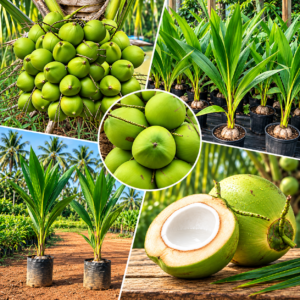
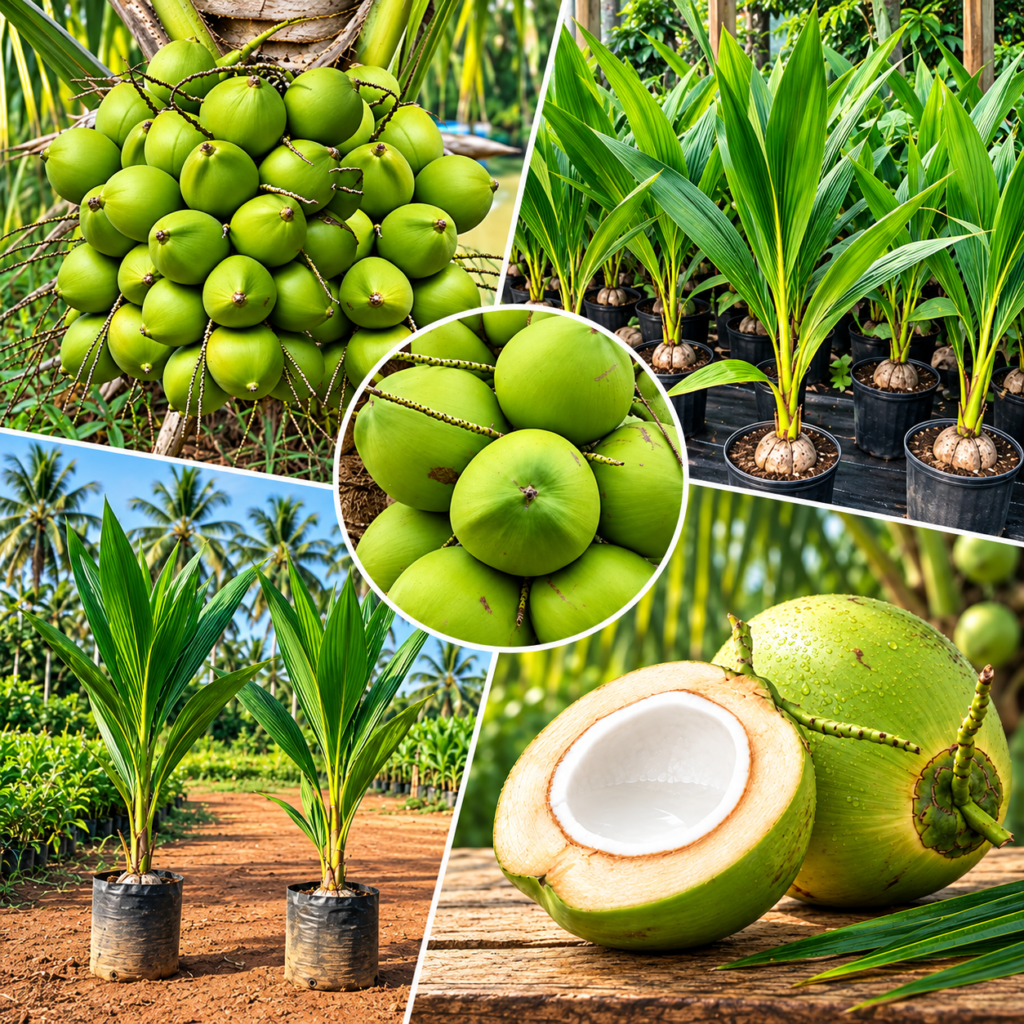
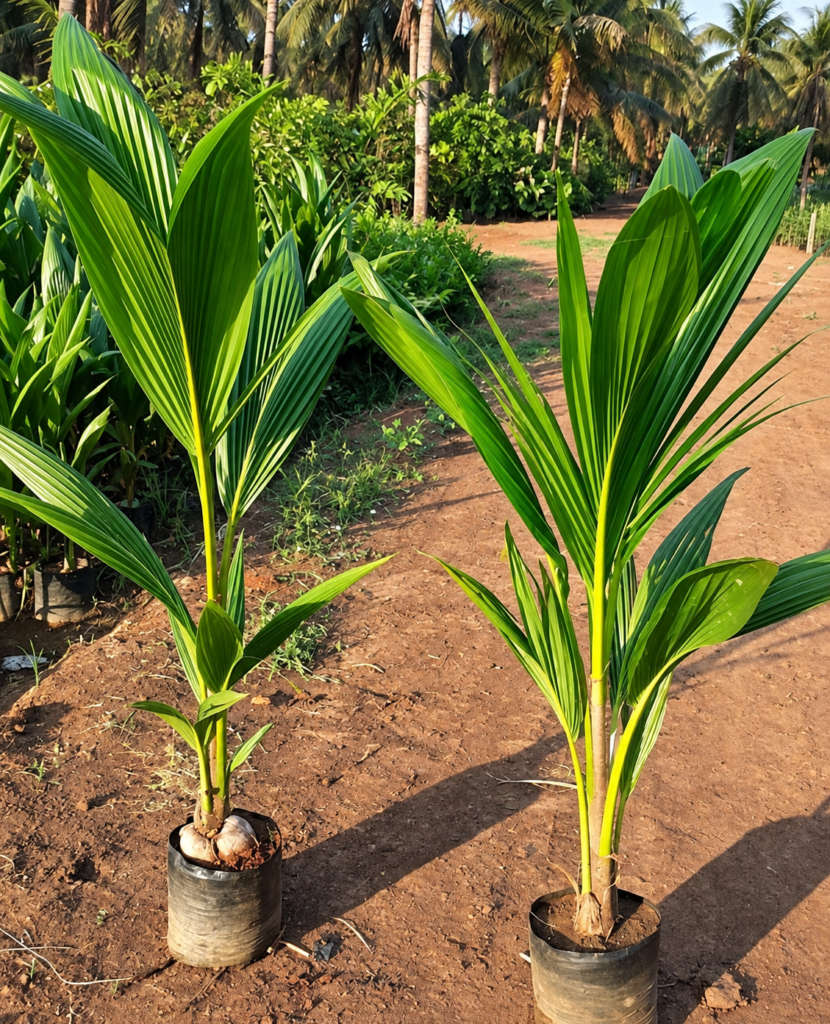
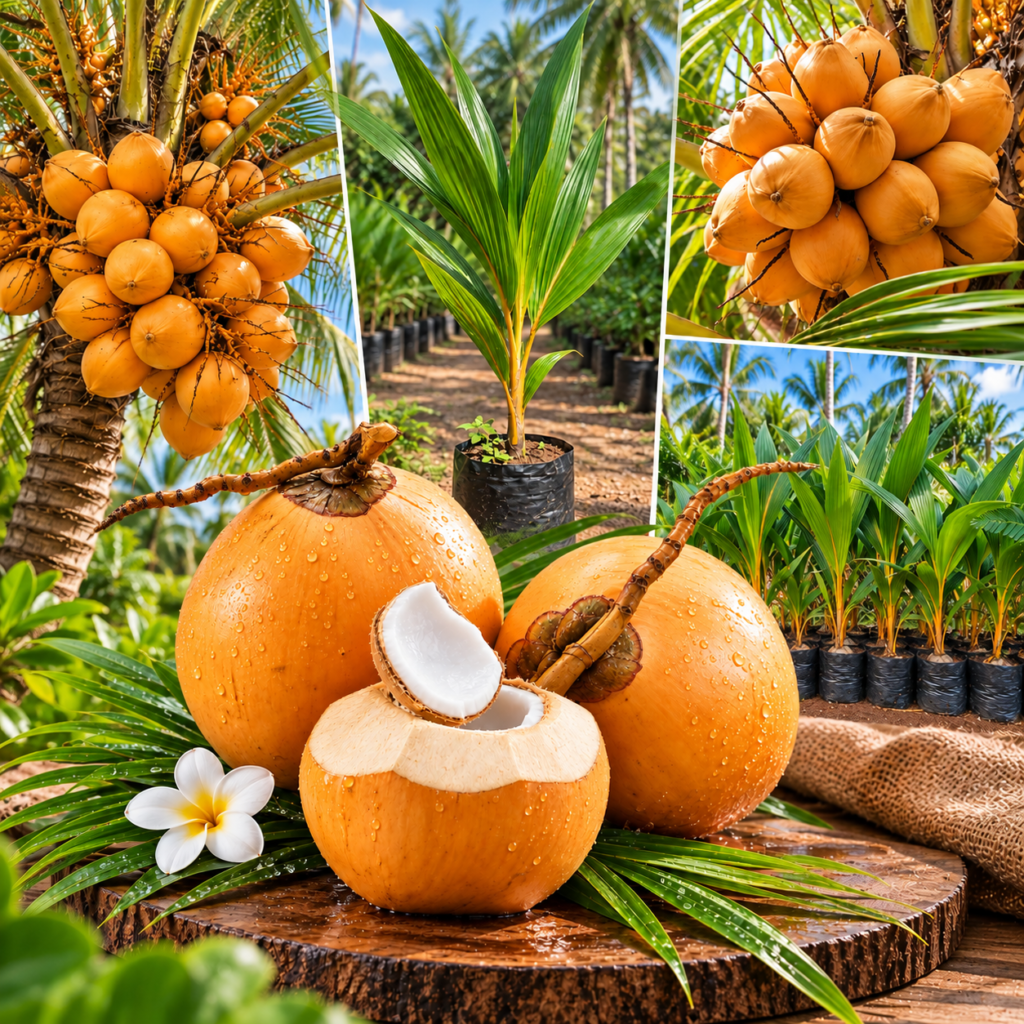
Original Vietnam Coconut Plant (Dwarf & High-Yielding Tree)

Original price was: ₹2,599.00.Current price is: ₹1,099.00.

Why Choose the Original Vietnam Coconut Plant? Native and traditional tall palms present logistical challenges due to their soaring heights and prolonged non-productive juvenile phases. The Vietnam Coconut Plant overcomes these limitations through specialized breeding: Accelerated Bearing Cycle: The Vietnam Coconut Plant cuts the wait time by more than half, entering its productive reproductive phase in just 30 to 36 months from field planting. True Dwarf Stature: Because the palm stays compact and grows at a much slower vertical rate, mature bunches hang conveniently low to the ground. This eliminates the need for expensive climbing labor and hazardous harvesting practices.…

Buy Now

Description

Why Choose the Original Vietnam Coconut Plant?

Native and traditional tall palms present logistical challenges due to their soaring heights and prolonged non-productive juvenile phases. The Vietnam Coconut Plant overcomes these limitations through specialized breeding:

  • Accelerated Bearing Cycle: The Vietnam Coconut Plant cuts the wait time by more than half, entering its productive reproductive phase in just 30 to 36 months from field planting.

  • True Dwarf Stature: Because the palm stays compact and grows at a much slower vertical rate, mature bunches hang conveniently low to the ground. This eliminates the need for expensive climbing labor and hazardous harvesting practices.

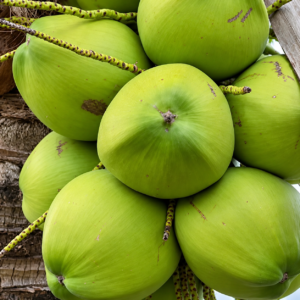
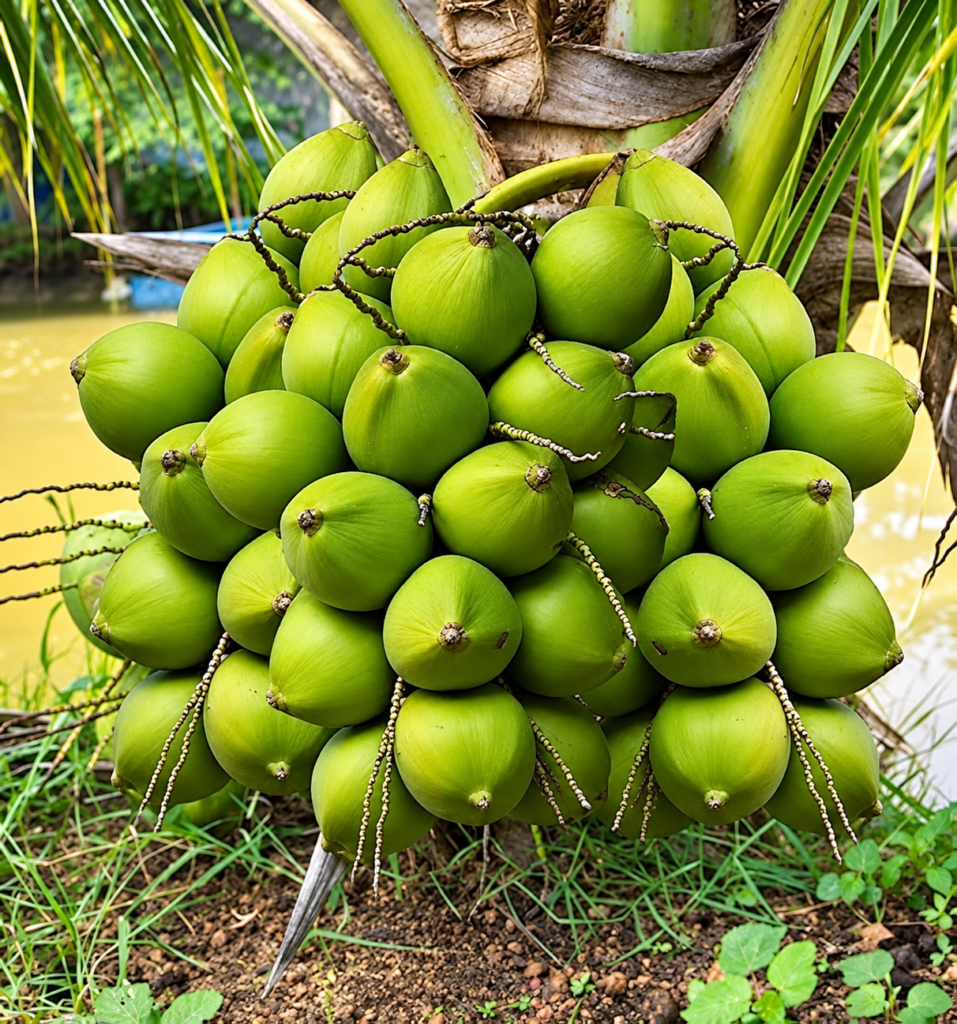
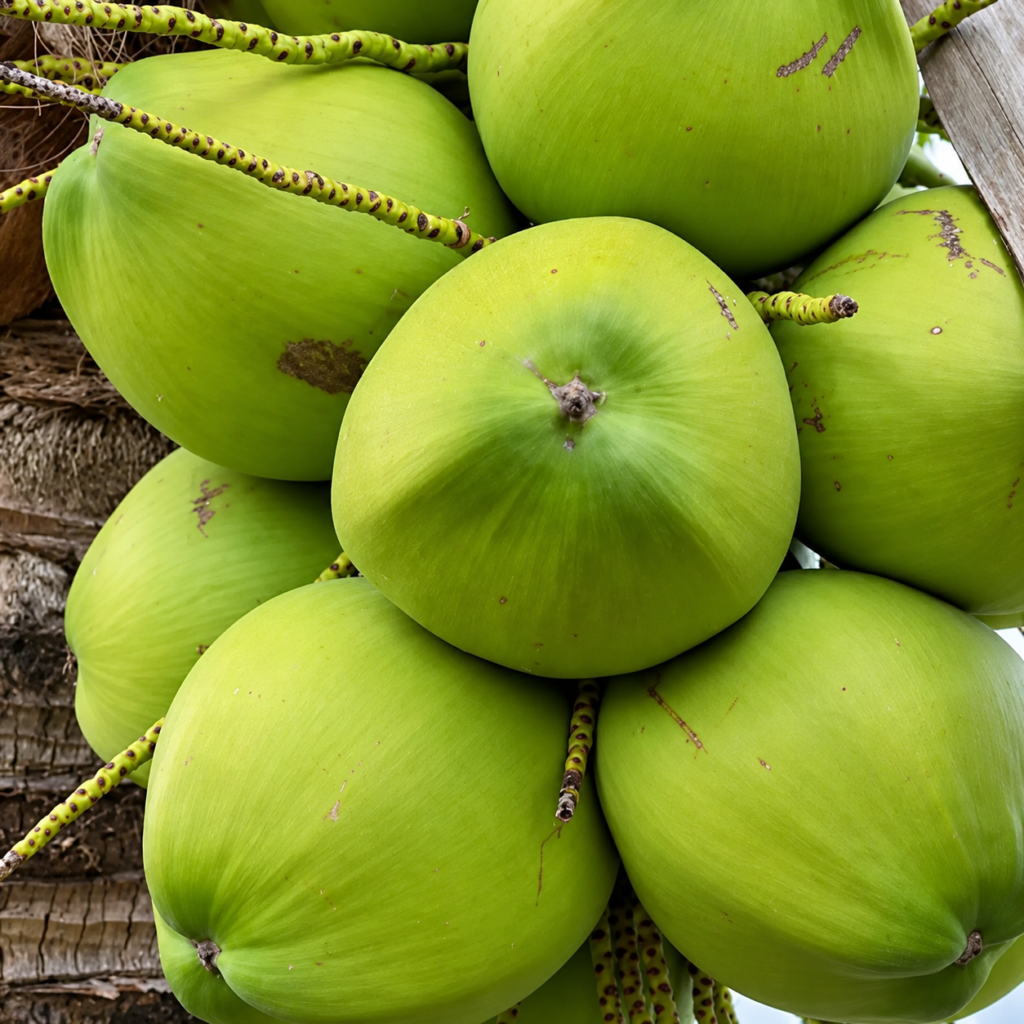
  • Exceptional Nut Density: Once established, each frond node yields dense, tightly packed bunches carrying 20 to 30 or more green coconuts per cluster.

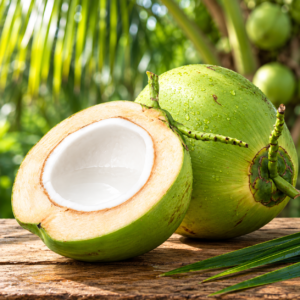
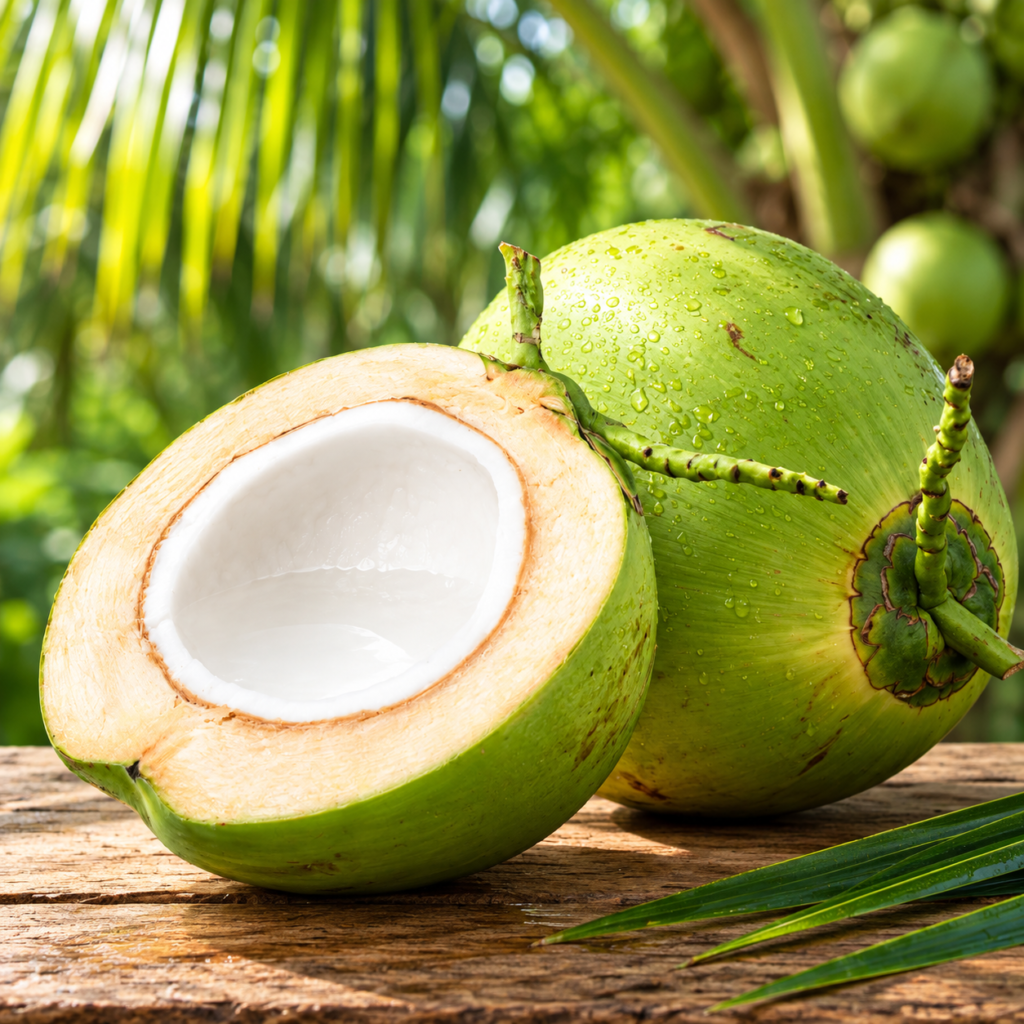
  • Sweet Water & Soft Kernel: The nuts provide 350 to 500 ml of naturally sweet coconut water packed with minerals, complemented by a soft, luscious malai (tender meat) layer.

Botanical Characteristics & Variety Specifications

  • Botanical Name: Cocos nucifera

  • Cultivar: Vietnam Super Early Green Dwarf

  • Plant Type: Clonal / Selected seed-propagated dwarf palm

  • Fruiting Timeline: 2.5 to 3 years under standard agricultural practices

  • Average Nut Capacity: 250 to 350+ coconuts per palm annually at full maturity

  • Water Volume per Nut: 350 ml to 500 ml of clear, high-brix tender water

  • Sunlight Requirement: 7 to 8 hours of uninterrupted, direct solar exposure daily

  • Lifespan: 40+ years of active economic bearing

Nutritional & Hydration Benefits of Fresh Tender Coconut

Cultivating your own Vietnam Coconut Plant guarantees a constant, pesticide-free harvest of the earth’s most wholesome isotonic beverage directly from your landscape:

  • Natural Isotonic Hydration: Fresh tender coconut water matches human electrolyte balance, rich in potassium, sodium, magnesium, and calcium. You can learn more about its physiological and botanical characteristics on the Cocos nucifera Wikipedia overview.

  • Digestive Soothing: Mildly alkaline with natural cooling properties, tender coconut helps neutralize stomach acidity, soothe gastrointestinal inflammation, and support healthy gut flora.

  • Zero Cholesterol & Low Calorie: A pure, revitalizing alternative to processed beverages, ideal for weight management and daily wellness.

  • Bioactive Enzymes: Naturally occurring enzymes like acid phosphatase and peroxidase support healthy metabolic function.

Complete Planting & Care Guide for Your Vietnam Coconut Plant

1. Soil Selection & Pit Preparation

The Vietnam Coconut Plant thrives in loose, deep, and well-draining soil structures such as sandy loam, red loam, and coastal alluvial beds:

  • Pit Dimensions: Dig a wide planting pit measuring 3×3×3 feet to encourage deep, extensive anchorage roots.

  • Pit Mixture: Fill the lower half of the pit with loose topsoil blended with 25 kg of well-rotted cow manure or vermicompost, 2 kg of neem cake (to deter white grubs and termites), and 500 grams of bone meal or rock phosphate.

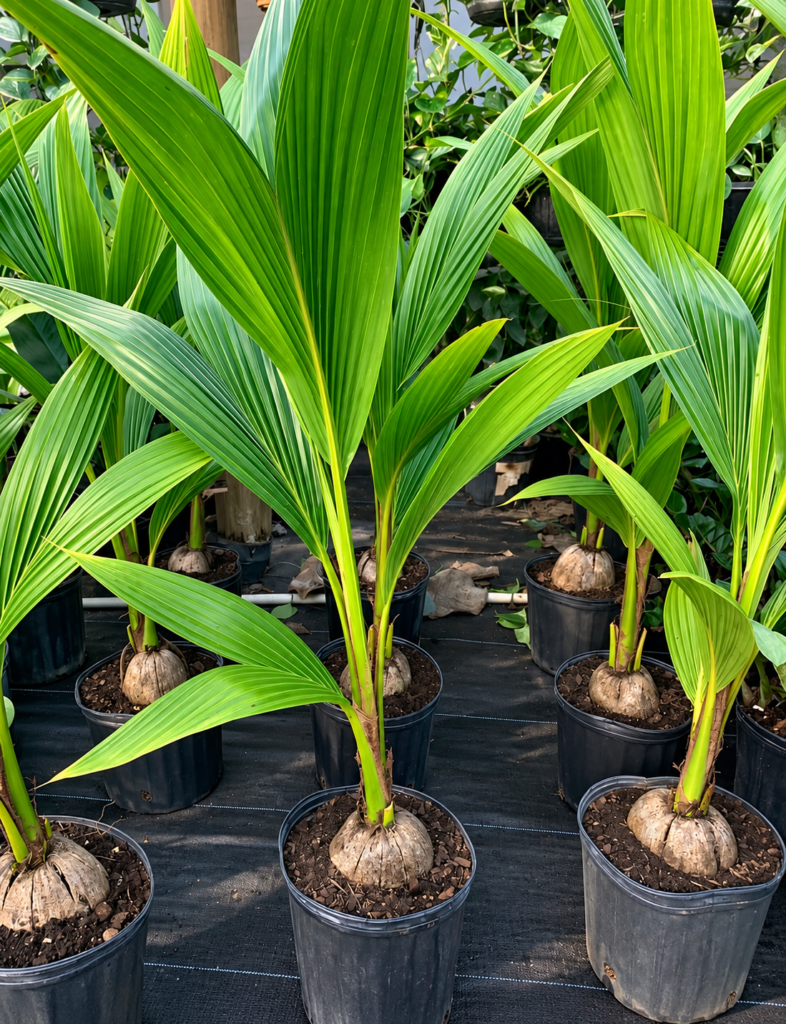
  • Planting Depth: Position the seed nut base level with or slightly below the surrounding topsoil, ensuring the heart leaves (growing tip) remain completely above grade to prevent crown rot during heavy rainfall.

2. Sunlight & Spacing Strategy

Like all tropical palms, your Vietnam Coconut Plant demands open skies and unrestricted direct sunlight:

  • Maintain a spacing grid of 18 to 22 feet between palms for home orchards and commercial setups.

  • Avoid planting under dense tree canopies, as shaded palms stretch upward, show sluggish trunk expansion, and experience delayed flowering.

3. Irrigation Requirements

Coconut roots crave consistent moisture without water stagnation:

  • Water young seedlings 2 to 3 times a week during dry seasons, supplying 20 to 30 liters per irrigation.

  • Mature palms benefit greatly from drip irrigation (40 to 60 liters per day) to keep nut clusters developing evenly without premature nut dropping.

  • Apply a thick mulch ring of dried coconut leaves, husk fibers, or straw around the base (leaving 6 inches of clearance from the trunk) to conserve soil moisture and suppress weed competition.

4. Nutrition & Fertilization Schedule

To sustain its high flowering rate and heavy yields, the Vietnam Coconut Plant requires disciplined seasonal feeding:

  • Organic Feed: Top-dress twice yearly (pre-monsoon and post-monsoon) with 15 to 20 kg of composted manure and 1 kg of wood ash or muriate of potash.

  • Trace Minerals: Apply magnesium sulfate (Epsom salt) and borax (10–15 grams annually) around the root zone to prevent leaf chlorosis and ensure optimal fruit set.

  • Salt Addition: Common rock salt (200 to 400 grams per tree per year) helps simulate coastal chloride conditions, enhancing drought resistance and nut sweetness.

5. Pest & Disease Management

Inspect the crown regularly for common palm pests:

  • Rhinoceros Beetle: Check the central spear leaf periodically; place naphthalene balls or a sand-and-neem powder mix inside leaf axils to deter beetles.

  • Red Palm Weevil: Treat mechanical cuts and leaf pruning scars with copper oxychloride paste to prevent weevil oviposition.

Frequently Asked Questions

Can the Vietnam Coconut Plant be grown in cold regions?

The Vietnam Coconut Plant is a purely tropical palm. It thrives best in warm, humid climates with temperatures ranging between 20°C and 38°C. In frost-prone zones, it will struggle and requires greenhouse conditions during winter.

Can I grow this dwarf coconut palm in a container?

While young seedlings can be started in large planters (50–100 liter barrels) for the first 1 to 2 years, coconut trees develop thick fibrous root structures and require open ground planting to achieve their full genetic fruiting capacity.

Does it require cross-pollination to bear coconuts?

No. The Vietnam dwarf variety is predominantly self-pollinating because male and female flower phases overlap on the same spadix, ensuring high self-fertility even if you plant just a single specimen. Pairing it with varieties from our complete tropical fruit plants collection further enhances garden biodiversity.

Know more about our fruit plants: https://vaanmitra.in/product-category/buy-fruit-plants-online-india/
Know more about jamun plant: https://simple.wikipedia.org/wiki/Coconut_palm
Reviews

There are no reviews yet.

Be the first to review “Original Vietnam Coconut Plant (Dwarf & High-Yielding Tree)”

Your email address will not be published. Required fields are marked *

Related products

Original Vietnam Coconut Plant (Dwarf & High-Yielding Tree)

Original price was: ₹2,599.00.Current price is: ₹1,099.00.
Brands:
Buy Now

Native and traditional tall palms present logistical challenges due to their soaring heights and prolonged non-productive juvenile phases. The Vietnam Coconut Plant overcomes these limitations through specialized breeding:

  • Accelerated Bearing Cycle: The Vietnam Coconut Plant cuts the wait time by more than half, entering its productive reproductive phase in just 30 to 36 months from field planting.

  • True Dwarf Stature: Because the palm stays compact and grows at a much slower vertical rate, mature bunches hang conveniently low to the ground. This eliminates the need for expensive climbing labor and hazardous harvesting practices.

  • Exceptional Nut Density: Once established, each frond node yields dense, tightly packed bunches carrying 20 to 30 or more green coconuts per cluster.

  • Sweet Water & Soft Kernel: The nuts provide 350 to 500 ml of naturally sweet coconut water packed with minerals, complemented by a soft, luscious malai (tender meat) layer.

Botanical Characteristics & Variety Specifications

  • Botanical Name: Cocos nucifera

  • Cultivar: Vietnam Super Early Green Dwarf

  • Plant Type: Clonal / Selected seed-propagated dwarf palm

  • Fruiting Timeline: 2.5 to 3 years under standard agricultural practices

  • Average Nut Capacity: 250 to 350+ coconuts per palm annually at full maturity

  • Water Volume per Nut: 350 ml to 500 ml of clear, high-brix tender water

  • Sunlight Requirement: 7 to 8 hours of uninterrupted, direct solar exposure daily

  • Lifespan: 40+ years of active economic bearing

Nutritional & Hydration Benefits of Fresh Tender Coconut

Cultivating your own Vietnam Coconut Plant guarantees a constant, pesticide-free harvest of the earth’s most wholesome isotonic beverage directly from your landscape:

  • Natural Isotonic Hydration: Fresh tender coconut water matches human electrolyte balance, rich in potassium, sodium, magnesium, and calcium. You can learn more about its physiological and botanical characteristics on the Cocos nucifera Wikipedia overview.

  • Digestive Soothing: Mildly alkaline with natural cooling properties, tender coconut helps neutralize stomach acidity, soothe gastrointestinal inflammation, and support healthy gut flora.

  • Zero Cholesterol & Low Calorie: A pure, revitalizing alternative to processed beverages, ideal for weight management and daily wellness.

  • Bioactive Enzymes: Naturally occurring enzymes like acid phosphatase and peroxidase support healthy metabolic function.

Complete Planting & Care Guide for Your Vietnam Coconut Plant

1. Soil Selection & Pit Preparation

The Vietnam Coconut Plant thrives in loose, deep, and well-draining soil structures such as sandy loam, red loam, and coastal alluvial beds:

  • Pit Dimensions: Dig a wide planting pit measuring 3×3×3 feet to encourage deep, extensive anchorage roots.

  • Pit Mixture: Fill the lower half of the pit with loose topsoil blended with 25 kg of well-rotted cow manure or vermicompost, 2 kg of neem cake (to deter white grubs and termites), and 500 grams of bone meal or rock phosphate.

  • Planting Depth: Position the seed nut base level with or slightly below the surrounding topsoil, ensuring the heart leaves (growing tip) remain completely above grade to prevent crown rot during heavy rainfall.

2. Sunlight & Spacing Strategy

Like all tropical palms, your Vietnam Coconut Plant demands open skies and unrestricted direct sunlight:

  • Maintain a spacing grid of 18 to 22 feet between palms for home orchards and commercial setups.

  • Avoid planting under dense tree canopies, as shaded palms stretch upward, show sluggish trunk expansion, and experience delayed flowering.

3. Irrigation Requirements

Coconut roots crave consistent moisture without water stagnation:

  • Water young seedlings 2 to 3 times a week during dry seasons, supplying 20 to 30 liters per irrigation.

  • Mature palms benefit greatly from drip irrigation (40 to 60 liters per day) to keep nut clusters developing evenly without premature nut dropping.

  • Apply a thick mulch ring of dried coconut leaves, husk fibers, or straw around the base (leaving 6 inches of clearance from the trunk) to conserve soil moisture and suppress weed competition.

4. Nutrition & Fertilization Schedule

To sustain its high flowering rate and heavy yields, the Vietnam Coconut Plant requires disciplined seasonal feeding:

  • Organic Feed: Top-dress twice yearly (pre-monsoon and post-monsoon) with 15 to 20 kg of composted manure and 1 kg of wood ash or muriate of potash.

  • Trace Minerals: Apply magnesium sulfate (Epsom salt) and borax (10–15 grams annually) around the root zone to prevent leaf chlorosis and ensure optimal fruit set.

  • Salt Addition: Common rock salt (200 to 400 grams per tree per year) helps simulate coastal chloride conditions, enhancing drought resistance and nut sweetness.

5. Pest & Disease Management

Inspect the crown regularly for common palm pests:

  • Rhinoceros Beetle: Check the central spear leaf periodically; place naphthalene balls or a sand-and-neem powder mix inside leaf axils to deter beetles.

  • Red Palm Weevil: Treat mechanical cuts and leaf pruning scars with copper oxychloride paste to prevent weevil oviposition.

Frequently Asked Questions

Can the Vietnam Coconut Plant be grown in cold regions?

The Vietnam Coconut Plant is a purely tropical palm. It thrives best in warm, humid climates with temperatures ranging between 20°C and 38°C. In frost-prone zones, it will struggle and requires greenhouse conditions during winter.

Can I grow this dwarf coconut palm in a container?

While young seedlings can be started in large planters (50–100 liter barrels) for the first 1 to 2 years, coconut trees develop thick fibrous root structures and require open ground planting to achieve their full genetic fruiting capacity.

Does it require cross-pollination to bear coconuts?

No. The Vietnam dwarf variety is predominantly self-pollinating because male and female flower phases overlap on the same spadix, ensuring high self-fertility even if you plant just a single specimen. Pairing it with varieties from our complete tropical fruit plants collection further enhances garden biodiversity.

Know more about our fruit plants: https://vaanmitra.in/product-category/buy-fruit-plants-online-india/
Know more about jamun plant: https://simple.wikipedia.org/wiki/Coconut_palm
There are no reviews yet.

Be the first to review “Original Vietnam Coconut Plant (Dwarf & High-Yielding Tree)”

Your email address will not be published. Required fields are marked *

Related products

0
0
Your Cart
Your cart is empty