
Description
Vibrant Beauty of the Red Hibiscus Plant for Home Gardens
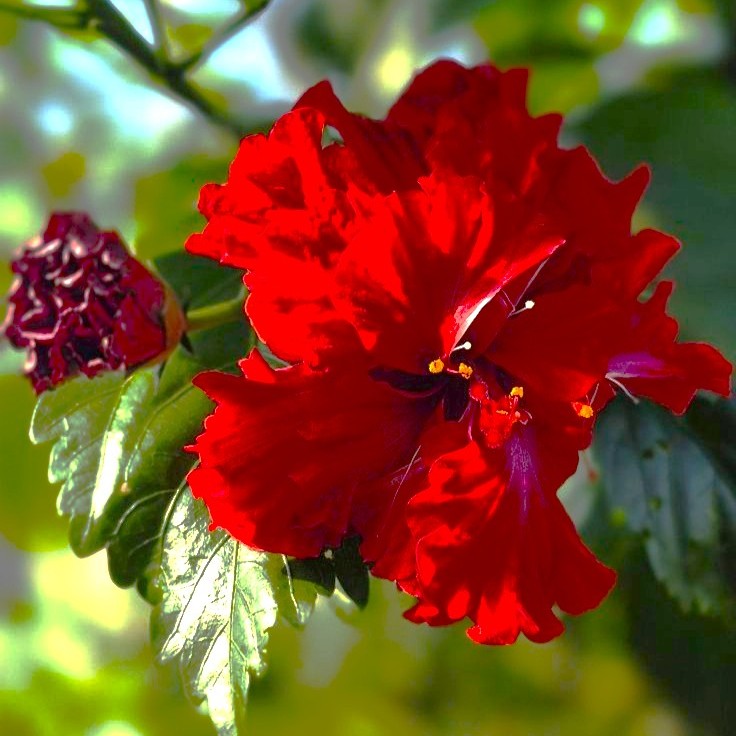
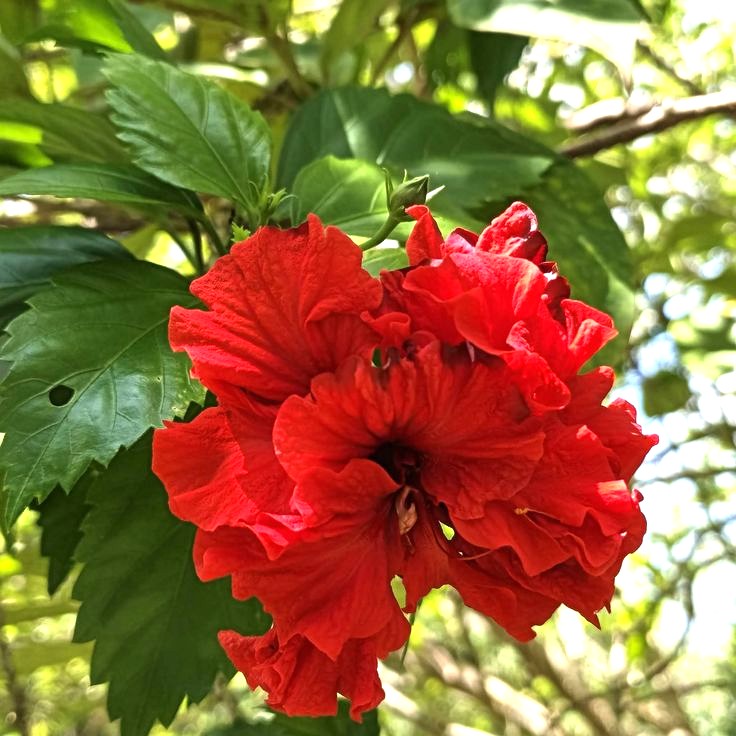
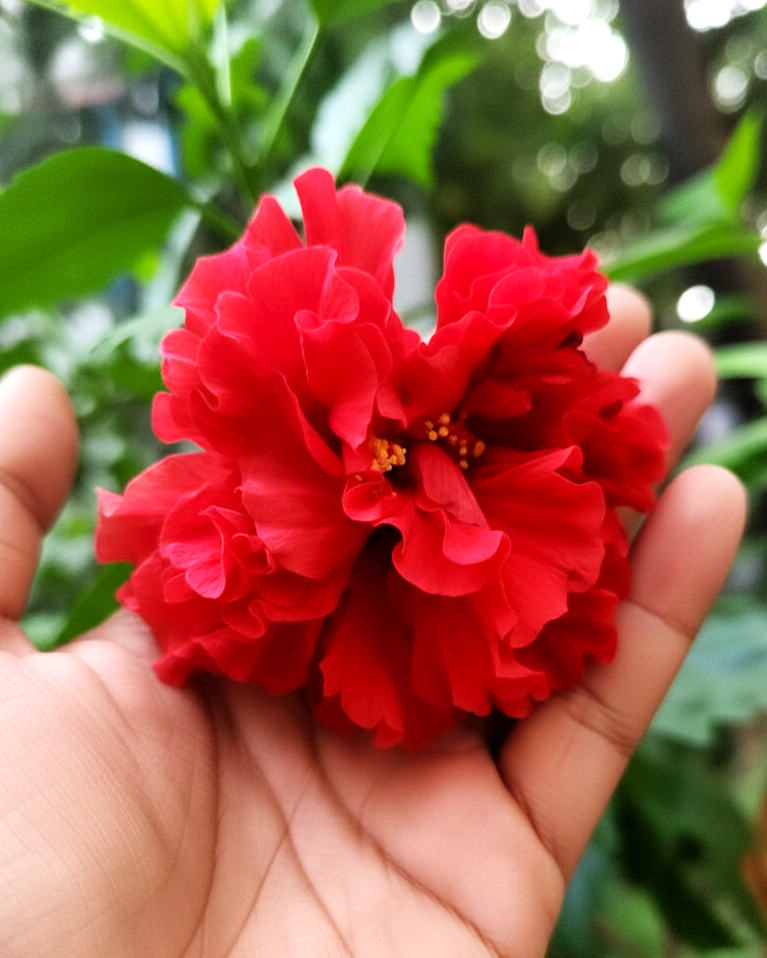
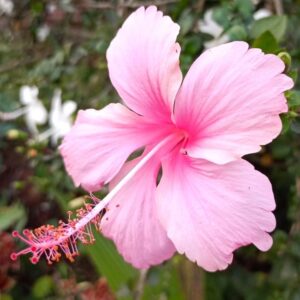
The Red Hibiscus Plant is one of the most stunning tropical flowering plants that can transform any garden into a colorful paradise. Known for its large bright red petals and elegant floral structure, this plant is widely admired by gardening enthusiasts across the world. The striking red bloom combined with lush green foliage creates a dramatic visual impact, making it a perfect choice for garden decoration and landscaping.
Gardeners often choose the Red Hibiscus Plant because of its bold flowers and easy maintenance. Each flower typically blooms for a day but new buds appear regularly, ensuring continuous flowering throughout the warm months. When planted in a sunny garden or balcony, this plant produces vibrant blooms that instantly enhance the beauty of outdoor spaces.
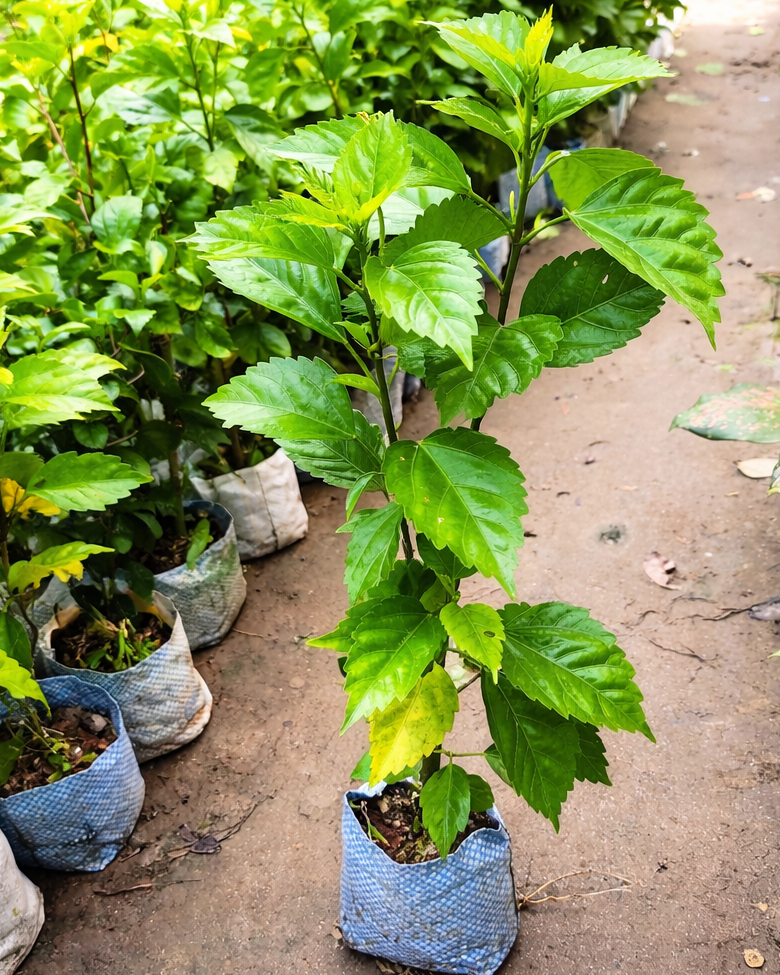
Another reason why the Red Hibiscus Plant is popular among home gardeners is its adaptability. It grows well in containers, pots, and open garden beds. Whether you have a terrace garden, balcony garden, or backyard landscape, this plant can easily thrive with minimal care.
In many parts of India, the Red Hibiscus Plant also holds cultural and religious importance. The bright red flowers are commonly used in temple offerings and traditional rituals. Because of its symbolic association with strength and devotion, this plant is frequently grown in home gardens and temple landscapes.
Unique Features of the Red Hibiscus Plant
Hibiscus plants belong to the Malvaceae family and are famous for their large, eye-catching flowers. The Red Hibiscus Plant offers several features that make it a favorite ornamental plant.
Key highlights include:
• Large vibrant red flowers
• Attractive glossy green leaves
• Long flowering season
• Suitable for containers and gardens
• Easy maintenance and care
Because of these qualities, the Red Hibiscus Plant is widely used in landscaping, balcony gardening, and decorative garden designs.
Another advantage of the Red Hibiscus Plant is its ability to attract butterflies and beneficial pollinators. These pollinators help maintain ecological balance and add life to garden spaces.
Ideal Growing Conditions in Indian Climate
The tropical and subtropical climate of India is perfect for hibiscus plants. The Red Hibiscus Plant thrives in warm temperatures and bright sunlight.
This plant grows well in regions such as:
• West Bengal
• Maharashtra
• Gujarat
• Tamil Nadu
• Karnataka
• Kerala
Because the Red Hibiscus Plant tolerates heat and humidity, it can bloom for most of the year when grown under suitable conditions.
Gardeners prefer the Red Hibiscus Plant because it adapts well to different environmental conditions while still producing beautiful flowers.
Sunlight Requirements
Sunlight plays a vital role in healthy plant growth and flower production. The Red Hibiscus Plant requires several hours of direct sunlight each day.
For best growth:
• Provide 5–7 hours of direct sunlight daily
• Place the plant in an open sunny location
• Avoid shaded or low-light areas
Adequate sunlight helps the Red Hibiscus Plant produce larger flowers and strong branches.
Watering Guidelines
Hibiscus plants prefer slightly moist soil conditions. The Red Hibiscus Plant grows best when watering is balanced and consistent.
Watering tips include:
• Water regularly during hot months
• Ensure soil remains moist but not waterlogged
• Provide good drainage in containers
• Reduce watering during winter
Proper watering ensures that the Red Hibiscus Plant remains healthy and produces vibrant flowers.
Soil Requirements
Healthy soil is essential for hibiscus growth. The Red Hibiscus Plant grows best in well-drained and nutrient-rich soil.
Recommended soil mixture:
• Garden soil
• Organic compost
• Cocopeat
• River sand
This combination provides proper aeration and nutrients needed for the the plant.
Fertilizer Recommendations
Regular fertilization promotes healthy growth and abundant flowering. The Red Hibiscus Plant benefits from organic fertilizers during the growing season.
Recommended fertilizers include:
• Vermicompost
• Organic compost
• Balanced flowering fertilizers
Providing nutrients regularly helps the The Plant maintain lush foliage and bright blooms.
Pruning and Maintenance
Pruning helps maintain plant shape and promotes new growth. The Red Hibiscus Plant responds well to light pruning after flowering cycles.
Benefits of pruning:
• Encourages new branches
• Improves flowering
• Maintains compact plant structure
Regular pruning keeps the the plant healthy and visually appealing.
Plant Care Summary
| Requirement | Details |
|---|---|
| Sunlight | Full sunlight |
| Watering | Moderate watering |
| Soil | Fertile well-drained soil |
| Fertilizer | Organic compost |
| Plant Type | Tropical flowering shrub |
Frequently Asked Questions
Can hibiscus grow in pots?
Yes, hibiscus plants grow well in containers and are perfect for balcony or terrace gardening.
How often does hibiscus bloom?
Hibiscus plants bloom frequently during warm seasons when given proper sunlight and care.
Is hibiscus suitable for Indian climate?
Yes, hibiscus thrives in tropical climates and grows successfully across most parts of India.
How much sunlight does hibiscus need?
Hibiscus plants require about 5–7 hours of direct sunlight daily.
Explore More Flowering Plants
Browse our Rose Plants collection:
Learn More About Hibiscus
For botanical information about hibiscus plants visit:
Reviews
There are no reviews yet.